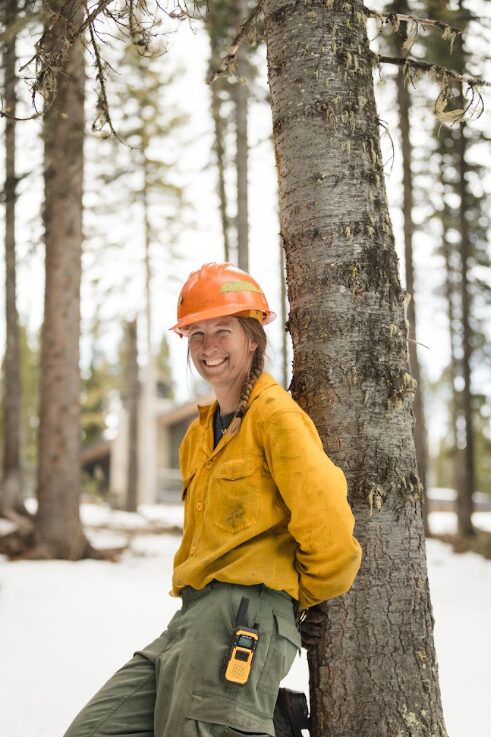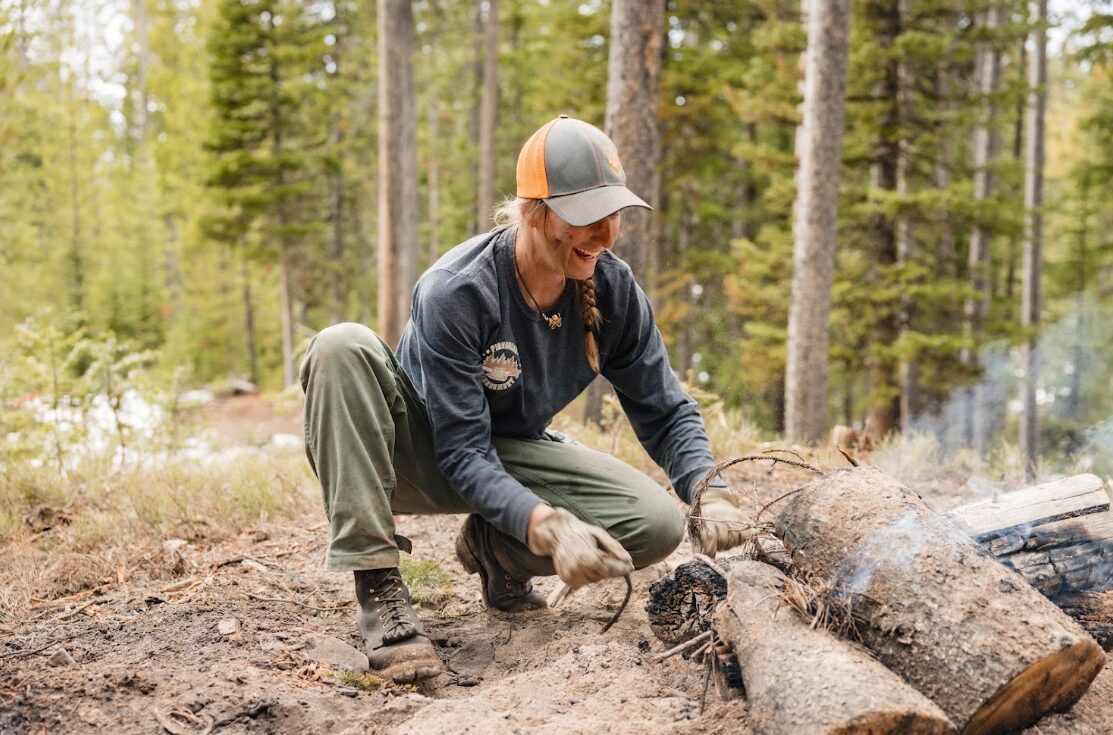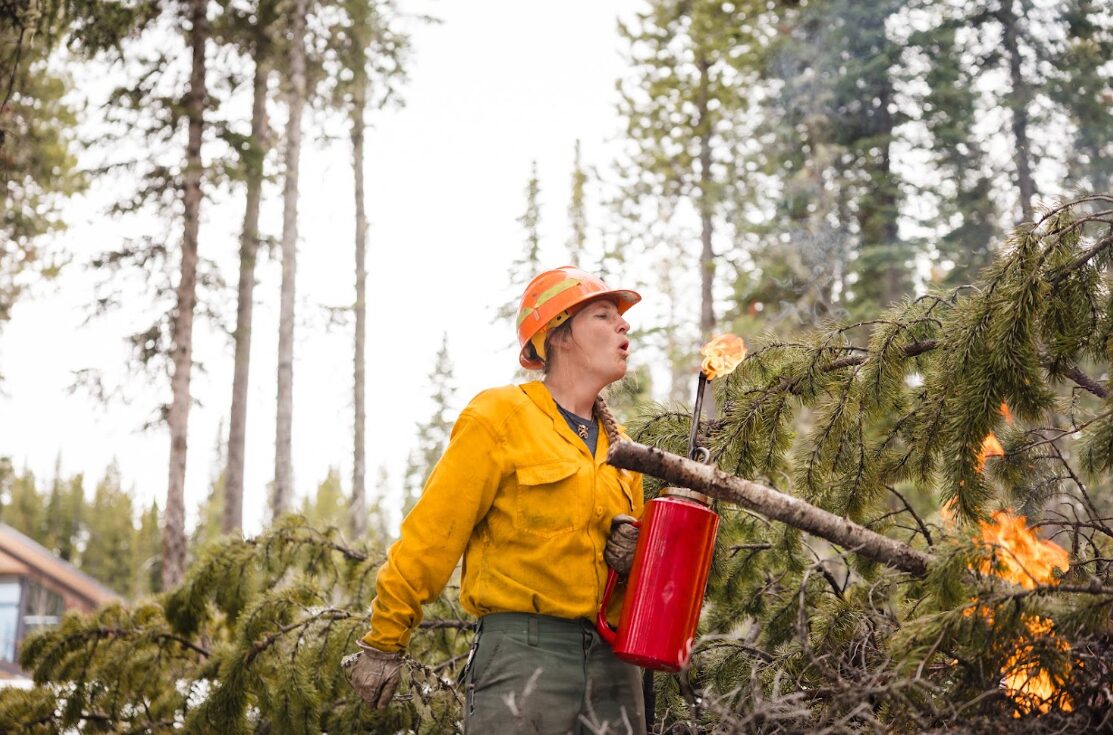
There is no date on the calendar that tells us it is safe to start burning again. When pile burning season reopens, it means local agencies are allowing certain types of burning under current permits, restrictions, and air quality rules. It does not mean every pile is ready. Conditions decide, not the date.
People often imagine fire season and burn season as two doors on the same calendar, one closing as the other opens. That is not how it works in the field. Even after a wet summer, the landscape still needs time to transition. Vegetation needs to cure enough for the pile to burn effectively, while the surrounding soil, duff, and nearby fuels need enough moisture to limit spread. Nights need to turn consistently cold, overnight humidity recovery needs to strengthen, and wind needs to stay within the burn plan. Montana DNRC describes fall burning as beginning after a definite break in the weather, with cooling temperatures and significant moisture. An isolated shower doesn’t count. It takes rain or snow that actually changes site moisture.
Often the best window comes after a real snow event that settles and begins to melt, followed by daytime temperatures in the 50s or 60s, cold nights, and strong overnight humidity recovery. That shoulder season pattern gives the land enough moisture to reduce risk while leaving the piles exposed enough to burn well.
Snow is one piece of the picture, not the decision. We want several conditions to stack together: relative humidity, air temperature, moisture in the piles and surrounding fuels, moisture in the soil and duff, overnight humidity recovery, and wind on the day of the burn and in the forecast. The National Weather Service defines relative humidity as the amount of moisture in the air compared with what the air could hold at that temperature. Relative humidity, and how well it recovers overnight, is the number one measurement in fire. Temperature works with it to raise or lower the Probability of Ignition, or PIG. Lower humidity and higher temperatures push that probability up. When relative humidity sits around 30 to 35 percent and the temperature is around 50 degrees, ignition can be managed deliberately and the chance of fire spreading where it isn’t wanted is far lower. The real question isn’t whether a pile will light. It’s whether the fire can be controlled. A warm, dry, windy stretch can follow an October or November storm and dry out fine fuels quickly. When that happens, we wait.
The Montana DNRC current fire information page and the NWS Montana Fire Weather Decision Support Site help track conditions, restrictions, wind, humidity, precipitation, and smoke behavior. But forecasts aren’t enough. When a site looks close, we walk the project, study the piles and surrounding material, and watch how representative fuels respond. A small test fire, when authorized, shows how the actual fuel is behaving at that spot. In mountain terrain, a weather station miles away at a different elevation can’t fully describe a valley bottom, a shaded drainage, or wind moving through a saddle. The Montana DNRC Prescribed Fire Manual reflects this with its emphasis on fuel conditions, weather, topography, test fires, qualified supervision, contingency planning, and monitoring after ignition. Every burn still depends on local permits, county rules, smoke management requirements, and qualified crews working under an approved plan. This is not a DIY burning guide.
Spring shows the same pattern in reverse. Piles that were hard to light can suddenly become receptive as fine fuels dry and fire gains legs. Caution has to rise with it.
There is also a difference between safe enough to burn and good burning. Safe enough means fire is unlikely to escape the planned area. Good burning means the pile burns cleanly, meets the objective, and doesn’t smolder for days. Snow and extreme cold keep spread risk low but can leave a pile too wet to ignite well, slow to consume, or holding heat and smoke longer than it should. That’s why shoulder season windows are often the most useful.
Burning is a tool for completing a larger forest management plan, not an end in itself. You can learn more about how it fits into a treatment strategy in What a Pile Actually Holds and When Fire Is Doing Exactly What It Should. If you want help deciding whether pile burning belongs in the plan for your property, contact Firebreak Management. Every property has its own fuel profile, history, and future, and good work starts by reading the land before choosing the treatment.