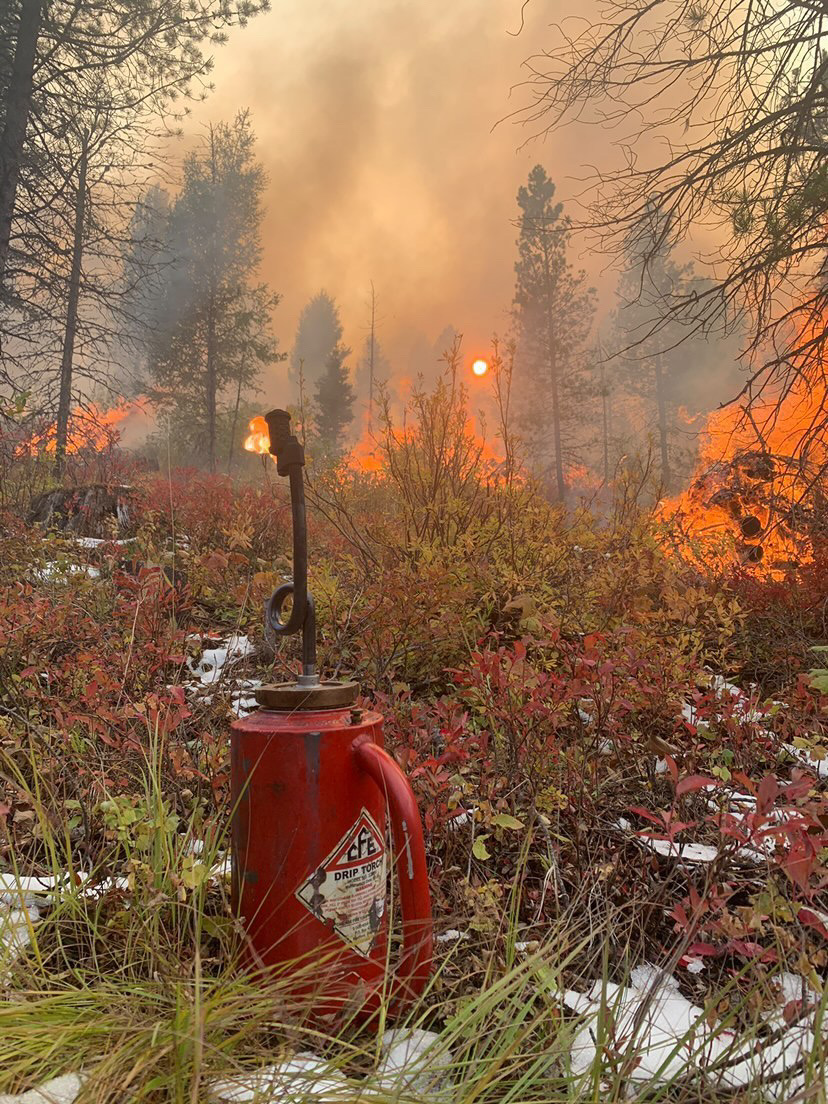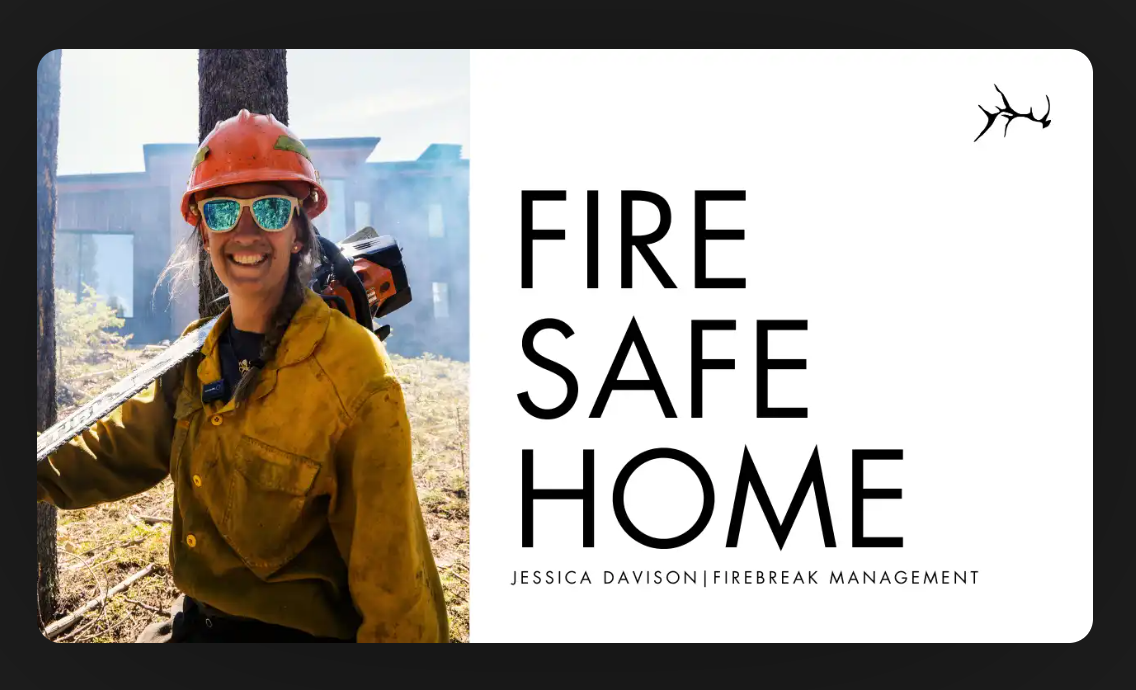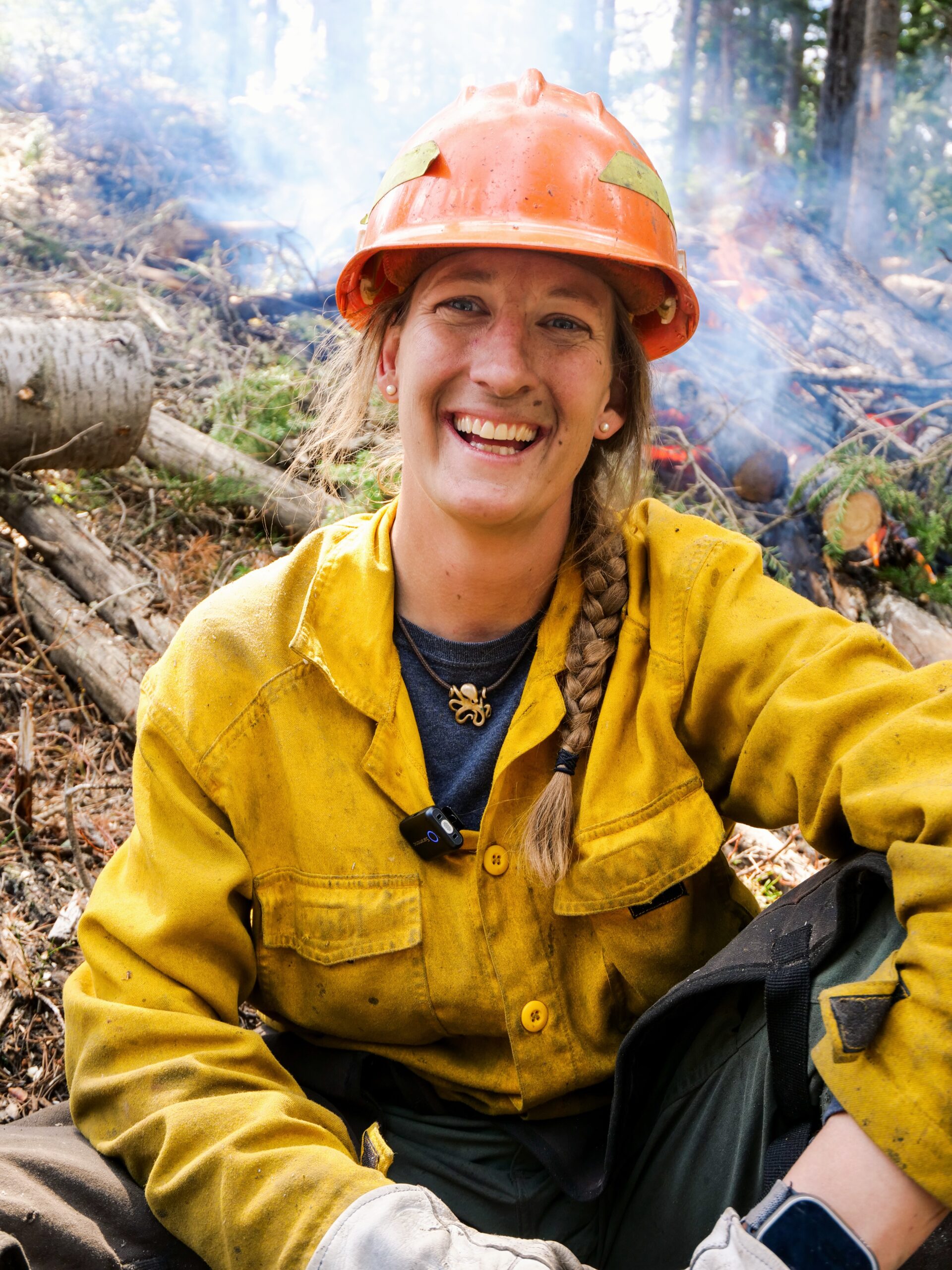

On April 27, 2026, I sat down with the team at Marketplace for an interview that felt like a full circle moment. Being featured on a national stage was a strange and humbling experience. It was an opportunity to talk about something much bigger than myself or even my company. We talked about the intersection of rising home prices, the expanding wildland urban interface, and the reality of living with fire in the American West.
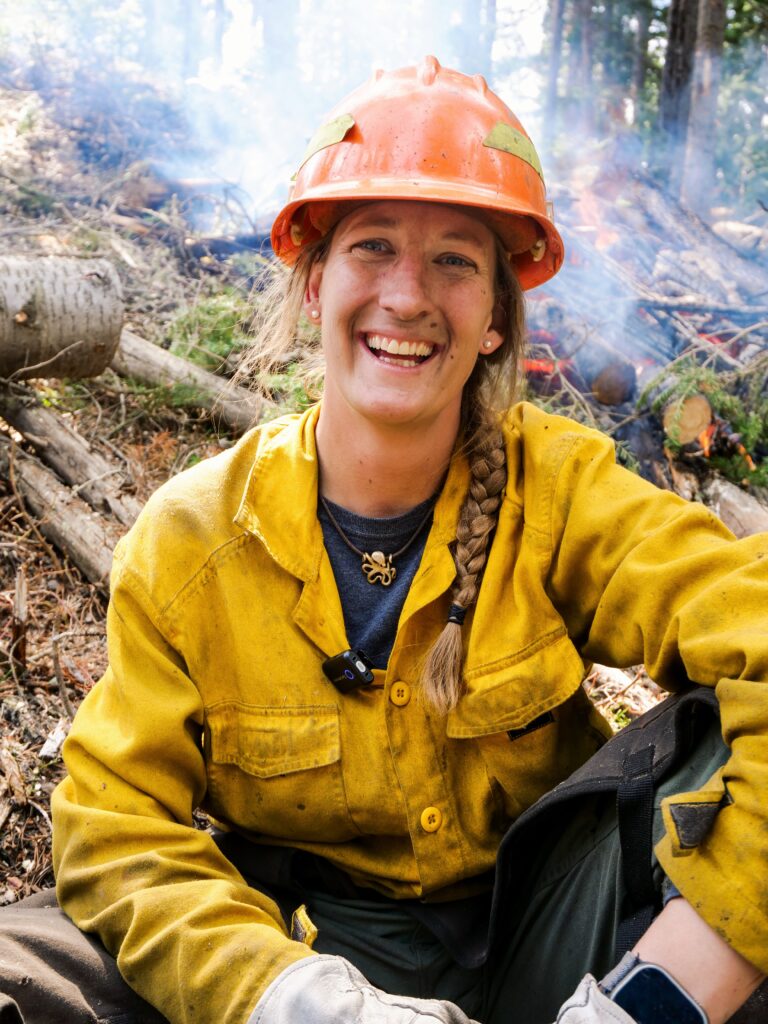
The interview was a chance to share the story of how Firebreak Management came to be. It is a story that did not start in an office or a boardroom. It started in the dirt. It started with the smell of woodsmoke and the weight of a chainsaw. It started on the fireline with the Bitterroot Interagency Hotshot Crew.
For those who are not familiar with the term, being a hotshot is a specific kind of existence. It is a job that demands everything you have. You live out of a pack. You sleep in the dirt. You work shifts that stretch into the night. You become a small part of a highly disciplined crew that moves as one unit. You learn very quickly that nature does not care about your plans. It only responds to conditions. Weather. Fuel. Terrain.
That environment is where I learned what leadership actually looks like. It is not about titles or optics. It is about competence under pressure. It is about making decisions when there are no perfect options. It is about taking responsibility for the people around you and the land beneath your feet.
My time with the Montana Conservation Corps and the U.S. Forest Service shaped my understanding of what it means to steward a landscape. I saw firsthand how fire moves through a forest that has been ignored for decades. I watched it move through subdivisions that were never designed with fire in mind. I stood on ridges looking down at homes tucked into timber and felt a familiar tightening in my chest.
I loved being a wildland firefighter. I loved the clarity of the work and the family that a crew becomes under pressure. But I also saw the cost. I saw how often firefighters are asked to hold the line for choices they did not make. I saw the heroic stories we tell about fire and how those stories can sometimes hide the preventable danger underneath.
Eventually, the question stopped being how we fight harder and became how we ask more upstream. That is why Firebreak Management exists.
The transition from firefighter to founder was not just a career change. It was a shift in focus. It was a realization that the real work needs to happen before the smoke appears on the horizon. When we wait until a fire is active to think about protection, we have already lost the most important part of the battle. We are reacting to a crisis instead of managing a system.
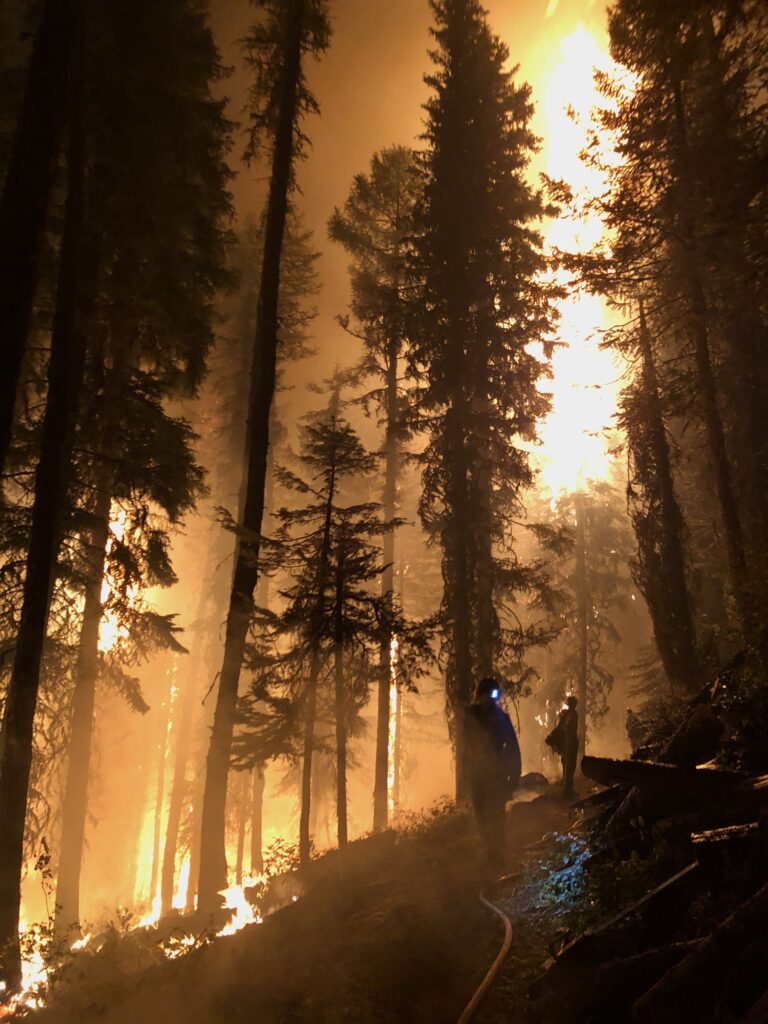
In the Marketplace interview, we discussed the economic reality of this work. Wildfire costs are rising. Home prices in high risk areas continue to climb. The financial burden of fighting fires is staggering. But the cost of proactive mitigation is a fraction of what we spend on response. It is a smarter investment for homeowners and for our communities.
When we talk about mitigation, we are talking about responsibility. It is about understanding that living in beautiful places comes with obligations. Defensible space is not just an aesthetic choice. It is about creating conditions where firefighters actually have options. It is about making sure an engine can access a property safely. It is about thinning timber so that fire behavior is moderated instead of explosive.
At Firebreak Management, we bring the expertise of the fireline to the private landowner. We use what we learned on hotshot crews and in the Forest Service to design projects that protect homes while restoring ecosystems. We believe that a healthy forest is a resilient forest. We look at land and see a living system that holds memory. We think in decades, not just seasons.
This work requires a different kind of discipline than firefighting. It is quieter. It is slower. it requires restraint and planning. It requires saying no to shortcuts and yes to nuance. It means understanding that every tree we cut or leave behind is a decision with consequences.
Our approach is rooted in the philosophy that land stewardship is a shared responsibility. We serve as a guide for homeowners and HOAs who care deeply about their land. We are not just contractors. We are partners in the long term health of the forest. We treat every project as an opportunity to reduce the pressure on crews we may never meet. We want to make their jobs safer in ways they will never see.
Being a woman in this industry adds another layer to the experience. It has made me more attentive and more deliberate. I did not set out to prove anything about gender. I set out to build a company that treats land and responsibility with the seriousness they deserve. I have learned to hold confidence quietly and let the work speak for itself.
I still love the physical nature of the work. I still love the feeling of dirt under my fingernails and the fatigue that comes from a day of real labor. Some people call that being a dirtbag. I take it as a compliment. It means being intimate with consequence. It means being present in the weather and the terrain. It means knowing exactly where you are in space.
The success story of Firebreak Management, which has been recognized by organizations like Prospera, is really a story about bridging a gap. It is the gap between the front lines of fire and the front doors of our homes. It is about moving the work upstream so that we are not always fighting from behind.
As wildfire activity increases across Montana and the West, this work becomes even more essential. We cannot control the weather or the climate, but we can control how we prepare our land. We can choose to be proactive. We can choose to invest in the long term vitality of our forests.
The Marketplace feature was a significant moment for us because it brought this conversation to a wider audience. It reminded people that fire is not just something that happens on the news. it is a reality of the landscape we call home. And while that reality can be daunting, it is also something we can manage with clarity and care.
We are incredibly grateful for the support of our clients and our community here in Big Sky and across Montana. Your trust is what allows us to do this work. When you invite us onto your property, you are trusting us with your home and your legacy. That is a responsibility we carry with us every day.
If you are a landowner thinking about the future of your property, I encourage you to start the conversation now. Do not wait for the smoke. Look at your timber with curiosity. Ask what your land needs to be healthy and resilient. Think about the firefighters who might one day stand on your driveway and ask yourself if you have given them the options they need.
The story behind Firebreak Management is still being written with every project we complete. It is a story of grit, vision, and a deep love for the woods. We are proud of where we came from, and we are even more excited about where we are going.

Here are a few things homeowners should keep in mind when considering wildfire mitigation:
- Home hardening is the first line of defense. Focus on roofs, vents, and the immediate zone around your structure.
- Defensible space is a process, not a one time event. It requires maintenance and attention as the forest grows.
- Thinning trees should focus on removing ladder fuels and creating crown separation.
- Healthy soil and wildlife habitat are part of fire resilience. We do not have to sacrifice ecology for safety.
- Professional assessments provide a roadmap for long term stewardship.
Thank you for being part of this journey with us. Whether you heard the interview on Marketplace or you have been following our work from the beginning, we appreciate you. Let us continue to work together to protect our homes and restore our forests.
If you want to learn more about our specific services or schedule a site visit, you can find more information on our website. We offer property assessments that look at the whole picture of your land.
- What a property assessment actually looks like
- Why defensible space is only the beginning
- Our philosophy on holding the saw
The land holds memory. Let us make sure the memory we leave behind is one of care, responsibility, and resilience.