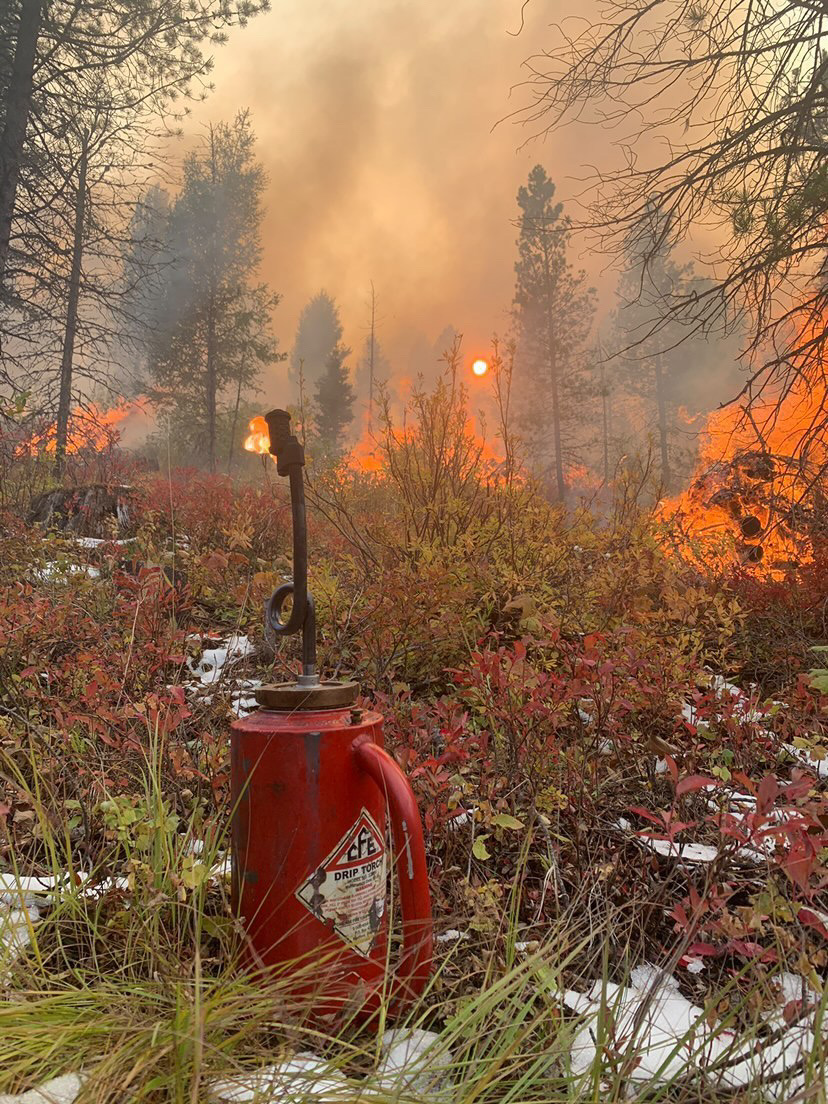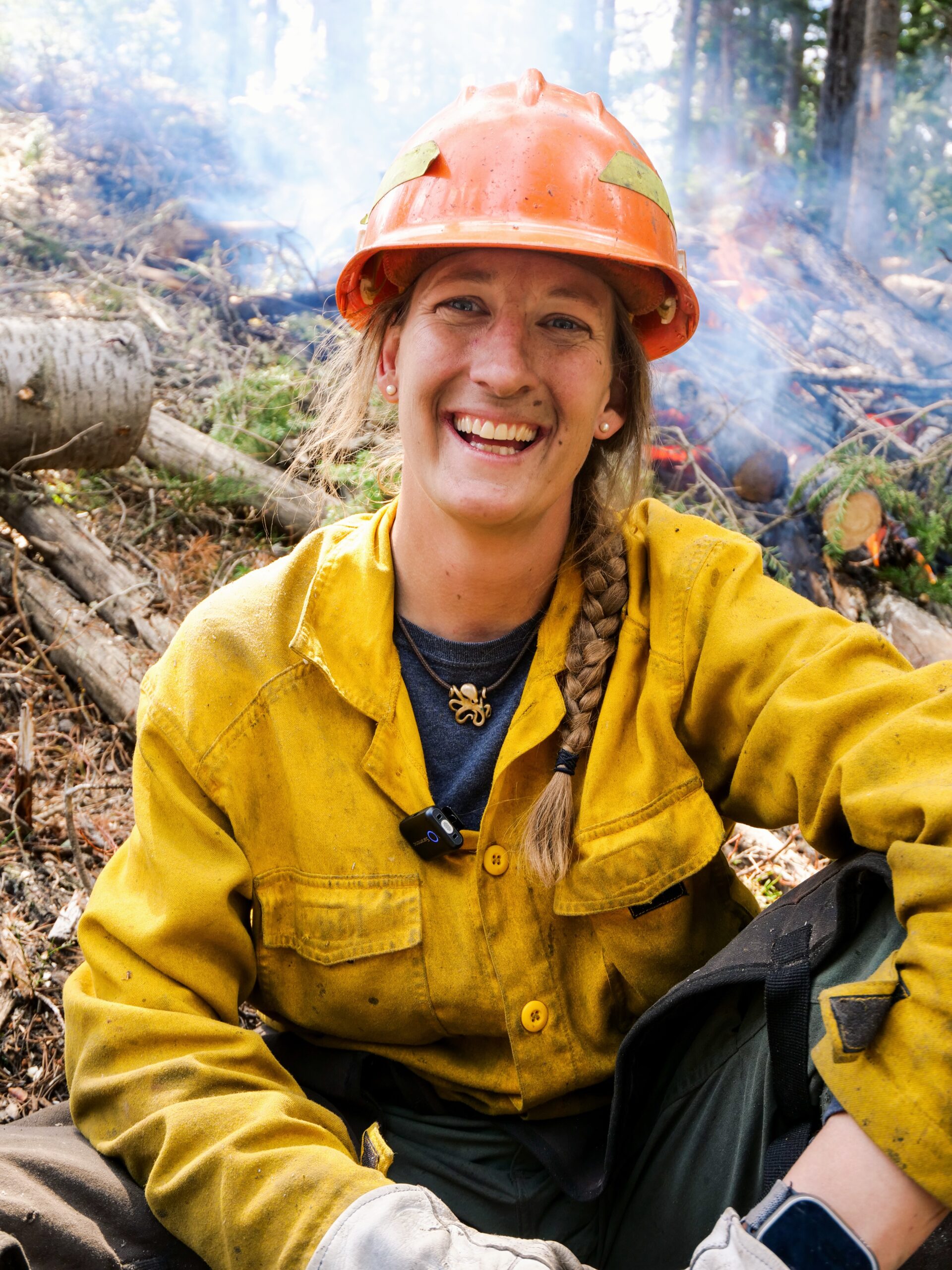

The smoke settles into the valley like a heavy curtain. For many homeowners in Montana, this sight brings a familiar tightening in the chest. We often talk about wildfires as something to stop. We think of them as an enemy to defeat at the property line. My time on the fireline taught me a different truth. Nature does not follow our boundaries. Fire is a living system. It moves with a rhythm and a logic that we cannot simply command to stay still.
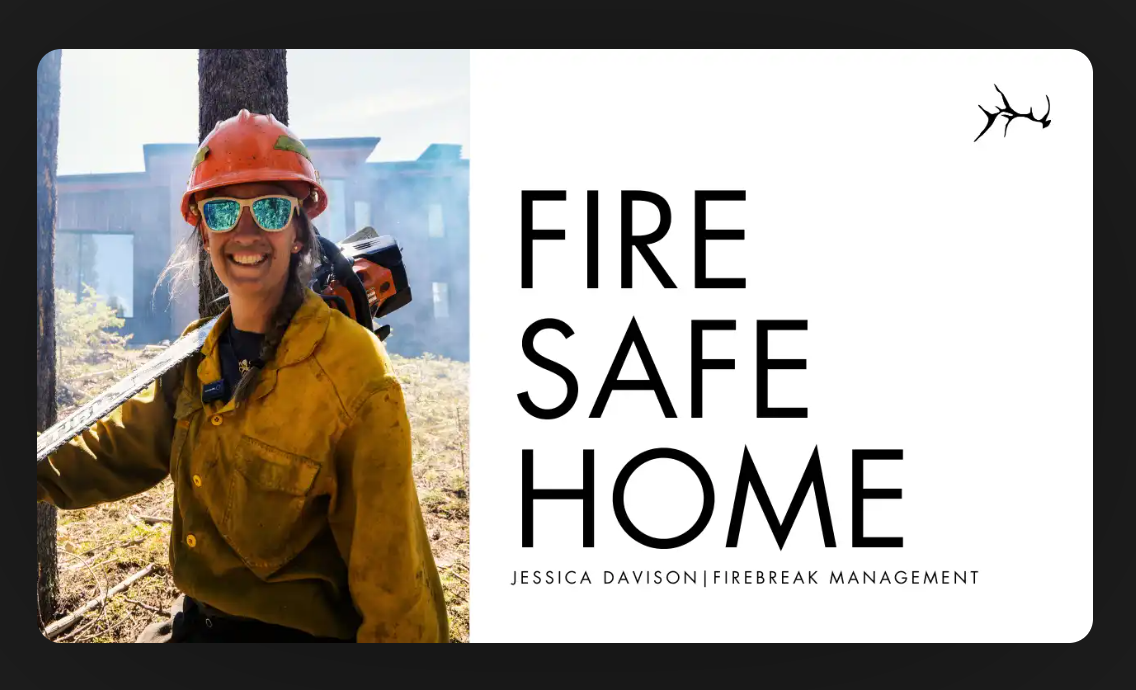
I recently sat down with the team at Mountain Mule Media to discuss this shift in perspective. We talked about my journey from the front lines as a wildland firefighter to the work we do now at Firebreak Management. We explored what it actually looks like to protect a home in the face of a changing climate.
You can listen to the full conversation on your preferred platform:
Listen on Spotify
Watch on YouTube
Listen on Apple Podcasts
The Weight of the Ridge
My perspective on wildfire was forged in places like the Rattlesnake Fire in Idaho. I was a hotshot then. We were trapped on a knife ridge with two injured crew members. Below us sat a ninety foot wall of fire. There was no escape route. The heat was a physical weight. The sound was a low roar that vibrates in your marrow. In those moments, you realize how small we are compared to the energy of a burning forest.
That experience stays in the nervous system. It sharpens your sense of consequence. When I look at a property now, I do not just see trees. I see fuel. I see the path a fire will take. I also see the people who will be sent to defend that land. My mission changed when I realized that the best way to help my brothers and sisters on the fireline was to do the work before the smoke ever rose.

The Catalyst of the Bridger Foothills
The Bridger Foothills Fire in 2020 was a turning point for our community and for me personally. Watching homes burn in my own backyard was a different kind of pain. It was the catalyst for starting Firebreak Management. I saw a gap between the technical expertise of wildland firefighting and the needs of homeowners.
People want to do the right thing for their land. They care about the long term health of the forest. Often, they just do not know where to start. They are facing rising insurance challenges in Big Sky and across Montana. Companies are looking for proof of mitigation. They want to see that a property is not just a liability. We built Firebreak to be the guide through that process.
The Home Ignition Zone
One of the most important lessons from the fireline is that most homes do not burn from a wall of flames. They burn from ember wash. Thousands of tiny firebrands can travel over a mile ahead of the main fire. They land in your gutters. They find the dry needles under your deck. They pull the fire right into the heart of the structure.
Homeowners should focus on the Home Ignition Zone framework. This technical approach breaks the property into specific radiuses of responsibility.
The Zero to Five Foot Zone is the most critical. This is the immediate perimeter of your home. It should be entirely noncombustible. Rocks, dirt, or pavers are essential here. No mulch. No firewood. No shrubs touching the siding.
The Five to Thirty Foot Zone is where we focus on spacing. It is important to remove ladder fuels. These are the small trees and low branches that allow a ground fire to climb into the canopy.
The Thirty to One Hundred Foot Zone and the One Hundred to Two Hundred Foot Zone are about thinning and forest health. We want to create a mosaic. We are not trying to clear cut the land. We are trying to restore the natural balance.

Buying Time in Durango
The true goal of mitigation is not to stop the fire. It is to buy firefighters time. When a crew rolls up to a property during a wildfire, they have seconds to make a decision. They look for a defensible space. They look for a place where they can safely stand and work.
I saw the power of this in Durango, Colorado. Homeowners there had invested in professional mitigation years before the fire arrived. Because the fuels were managed, the fire dropped from the crowns of the trees down to the ground. It slowed its pace. It lost its intensity.
Firefighters were able to save miles of homes in a single shift. They were not fighting a monster. They were managing a fire that had been tamed by the work done years prior. That is the outcome we strive for every day. We want to give the crews a chance to win.
Good Forestry is Good Mitigation
We believe that wildfire mitigation is actually good forestry. When we thin a forest, we are reducing competition for water and nutrients. We are making the remaining trees more resilient to drought and beetles. We are creating better habitat for wildlife.
It is a process of stewardship. We think in decades, not just seasons. We consider the memory of the land. Our work blends technical precision with an ecological vision. We want your property to be safe, but we also want it to be beautiful.
The Human Toll and Community Duty
There is a significant mental health toll in the world of wildland fire. Crews spend months away from their support systems. They watch communities burn. They carry the weight of what was lost. When a homeowner takes responsibility for their property, they are directly reducing that burden.
It is essential to be a better neighbor. Fire does not care about property lines. If you mitigate your land but your neighbor does not, you are both still at risk. Homeowners should talk to their neighbors. We need to look at our communities as a single ecosystem. This is a collective effort of protection and care.

Investing in the Future
Protecting your land is an investment in its long term vitality. It is a commitment to the safety of your family and your community. We understand the complexity of these projects. We know the pressure of insurance requirements and the desire to preserve natural beauty.
Our team at Firebreak Management is here to provide expert guidance. We treat every property with the respect and curiosity it deserves. We are your partners in this work.
If you are ready to understand the specific needs of your land, we invite you to reach out. A professional property assessment is the first step toward clarity. Together, we can create a landscape that is resilient, healthy, and prepared for whatever the future holds.