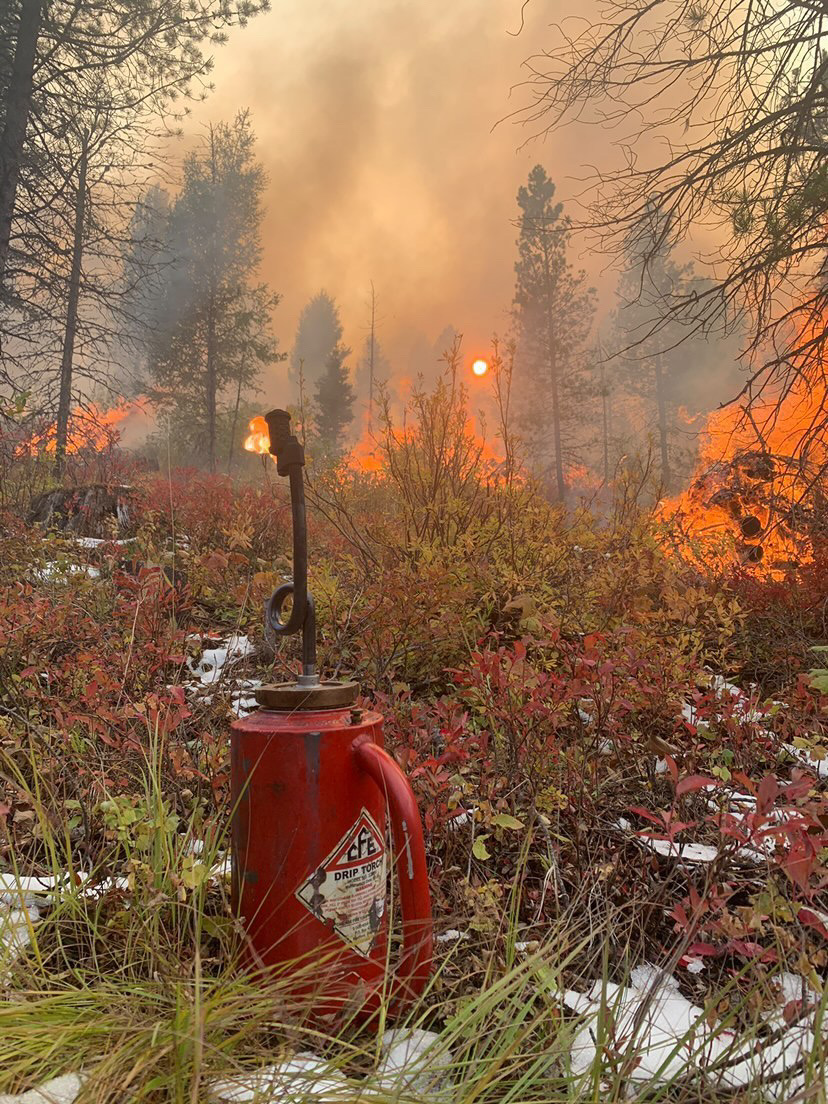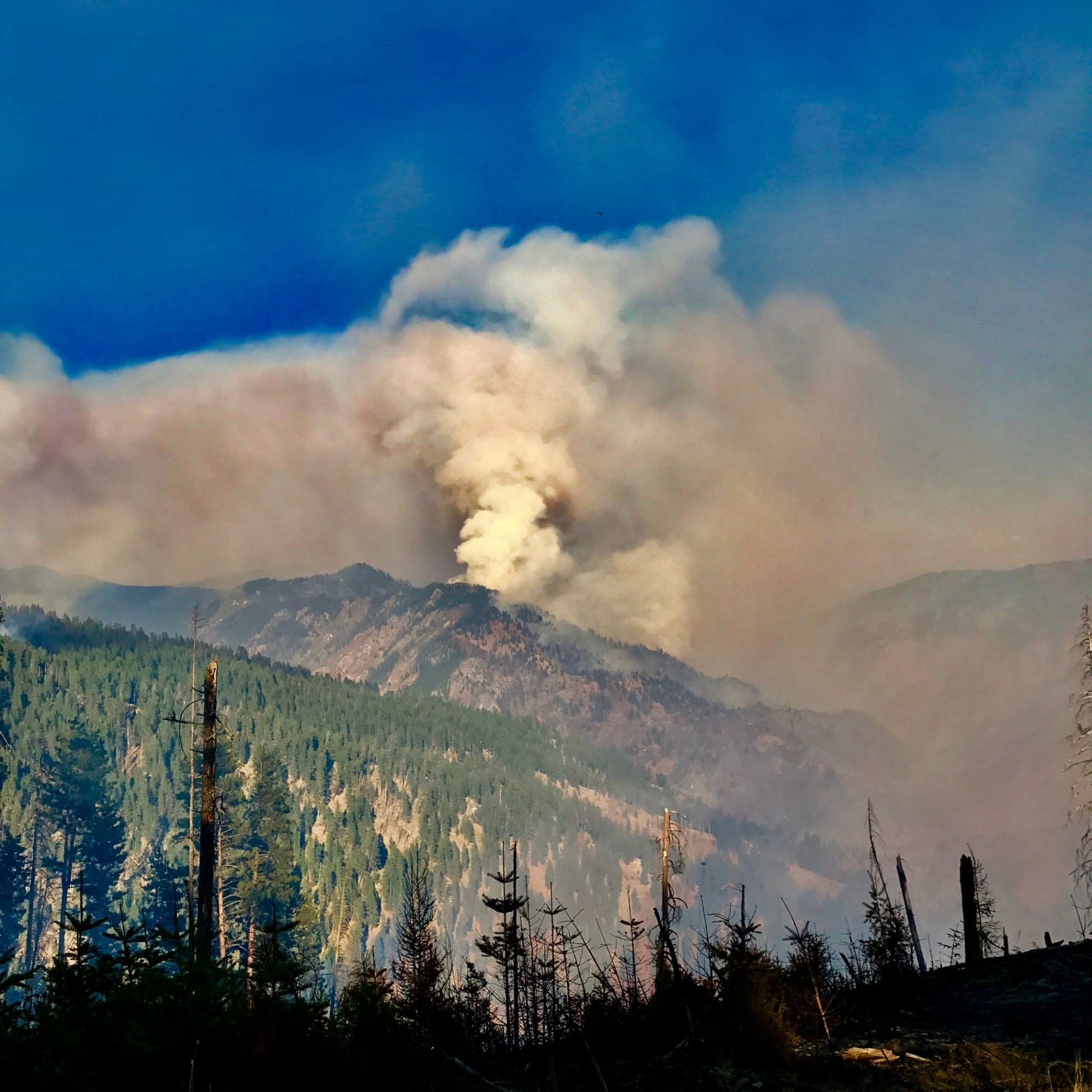
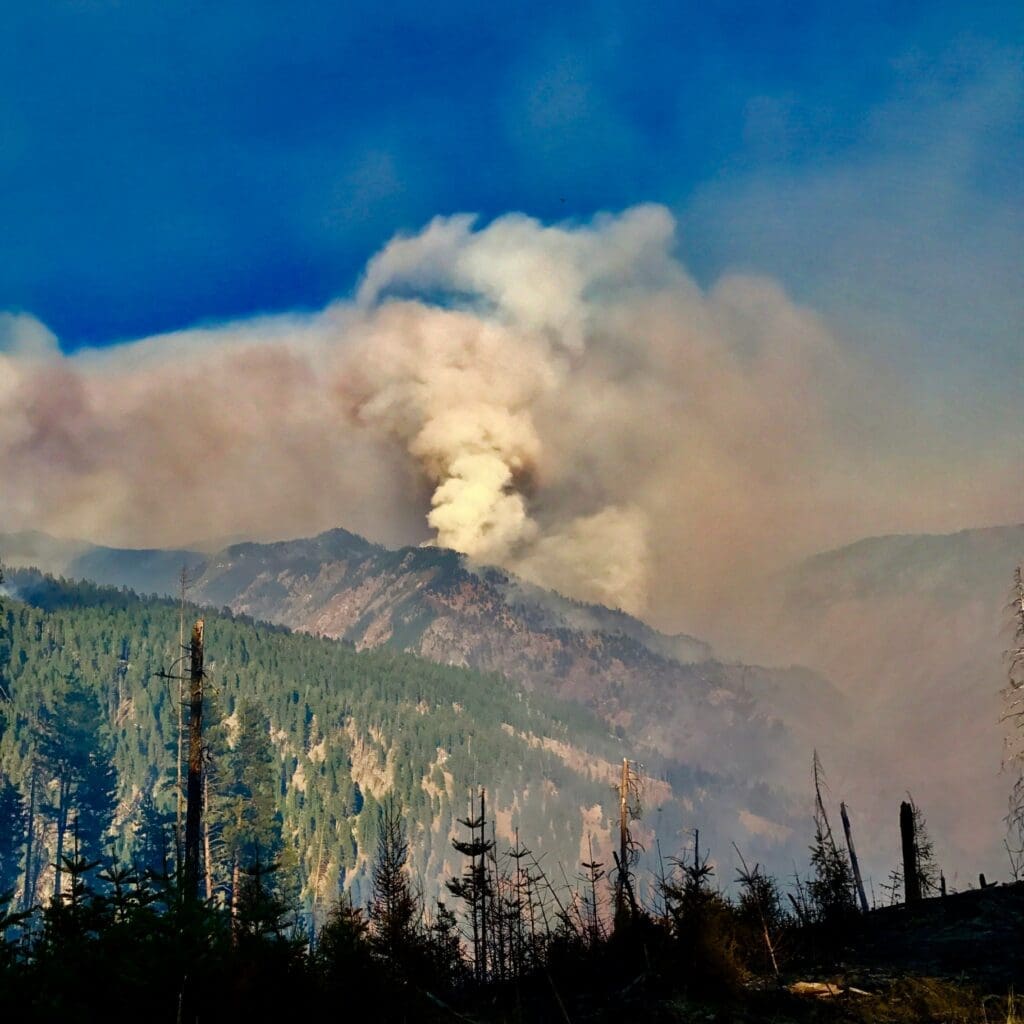
Calm is a skill in fire season. Smoke shows up before the fire does, sometimes weeks before. It comes in from somewhere else, drifts down a valley, and changes the color of the light. The sun turns red in the afternoon. The mountains soften. The air gets a smell to it that locks itself into memory. For people who have lived through a fire season here, that smell is a signal. The body remembers before the mind does.
Most landowners in places like Big Sky and Bozeman experience fire season from a distance until they do not. There are weeks where it is happening somewhere else, and then there is a day when conditions shift and it is suddenly possible to imagine it happening here. That shift is hard to sit with. It tends to produce one of two responses.
The first is panic. It involves phone calls, frantic searches, and a scramble to do something, anything, before it is too late. The second is paralysis. It is the sense that there is nothing to be done now, so why try. Both come from the same place. They both come from being unprepared for a moment that requires presence. There is a third response. It is harder to learn but it is the only one worth practicing. It is calm.
The Nature of Calm in Wildfire Mitigation Montana
Calm is not a feeling that arrives on its own when conditions get serious. Calm is a result. It comes from work that was done earlier. It comes from decisions that were made when there was time to make them well. It is a clear understanding of what is still possible and what is not. In the world of wildfire mitigation montana, we see this distinction every day.
When we talk about wildfire preparedness for homeowners, we are really talking about building a reserve of calm. This reserve is built through technical precision and ecological vision. It is the knowledge that your home has a defensible space perimeter that can withstand the embers that drift miles ahead of a main fire front. It is knowing that the forest management bozeman experts have already looked at your timber and removed the ladder fuels that allow a ground fire to climb into the canopy.
What Is Still Possible in August
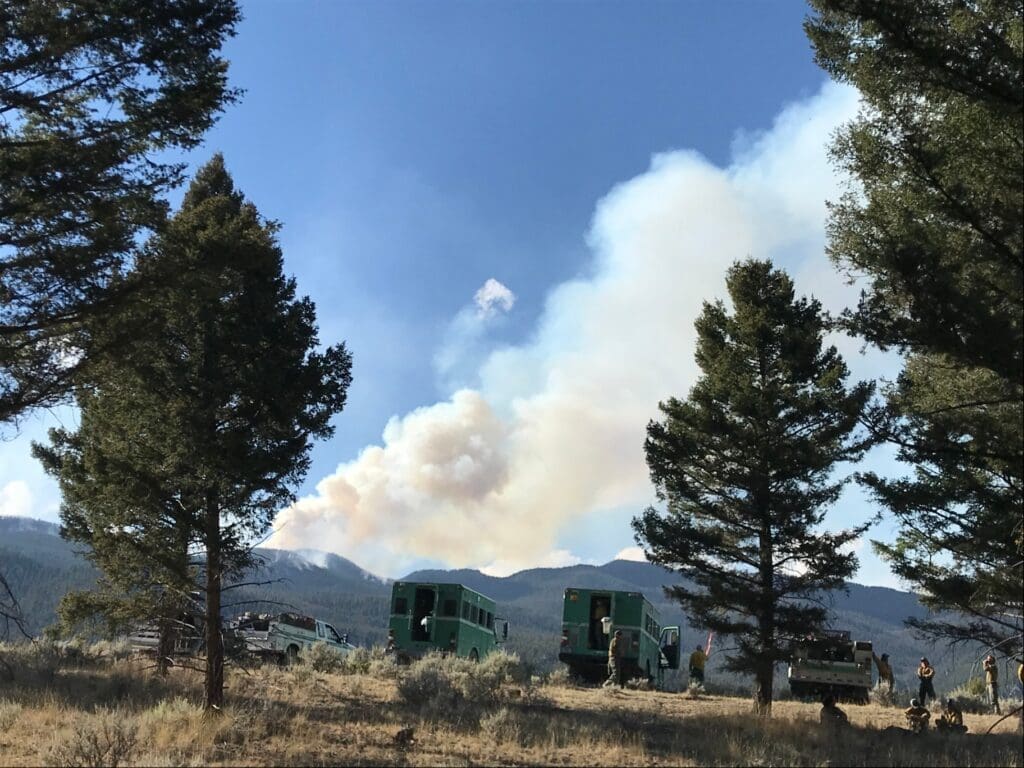
In August, what is still possible is small and important. This is the season of the fine details. Homeowners should focus on the immediate zone, the first five feet around the structure. This is where the most critical work happens during the height of the heat.
Cleaning gutters is a primary task. Dry pine needles and leaves in a gutter are the perfect reception bed for embers. Moving firewood away from the home is equally essential. It is common to see woodpiles stacked against siding or under decks, but in August, that wood must be moved at least thirty feet away.
Closing vents that should have been closed already is another vital step. Embers can be smaller than a grain of rice, and they find their way into attic spaces through standard vents. It is important to ensure all vents are covered with one eighth inch metal mesh. Making sure the access road is clear enough for an engine to turn around is a responsibility to the firefighters who may need to defend your property. Homeowners should walk the home ignition zone one more time and notice what has crept back in since spring.
The Limits of the Season and the Work That Remains
What is no longer possible in August is the larger work. The thinning that should have happened months ago is now too risky or too disruptive for the dry soil. The pile burning that needs winter conditions to be safe is months away. If you are curious about why we wait for the snow to manage these leftovers, you can read more about What a Pile Actually Holds.
The forest scale fuel reduction that takes weeks to plan and longer to execute belongs to other seasons. This is why the conversations we have in July and August are often about next year, not this one. A landowner calls because the smoke has reached the valley and something has shifted. We listen. We come out and walk the property. We talk about what we are seeing and what the land needs.
This initial meeting is the start of a real strategy. You can learn more about What a Property Assessment Actually Looks Like to understand how we begin that journey. We begin planning work that will most likely be done in the fall or the following spring. That is not a failure of timing. That is how thoughtful land management actually works. The decisions that matter most are made before the pressure arrives.
Meeting Worry With Clarity
We try to respond quickly during these months because we know what the smoke does to people. We know that when a homeowner finally picks up the phone, the worry has been building for weeks. The least we can do is meet that worry with clarity. We provide a real plan and a real timeline. It is something a person can hold onto while the season runs its course.
Defensible space contractors are often the first point of contact during these smoky weeks. We act as guides through the technical details of fuel loads and topographic influences. That clarity becomes part of what allows homeowners to be calm. They are not solving the whole problem on a Tuesday afternoon in August. They are making one good decision in a season that is asking a lot of them.
The Internal Work of the Season
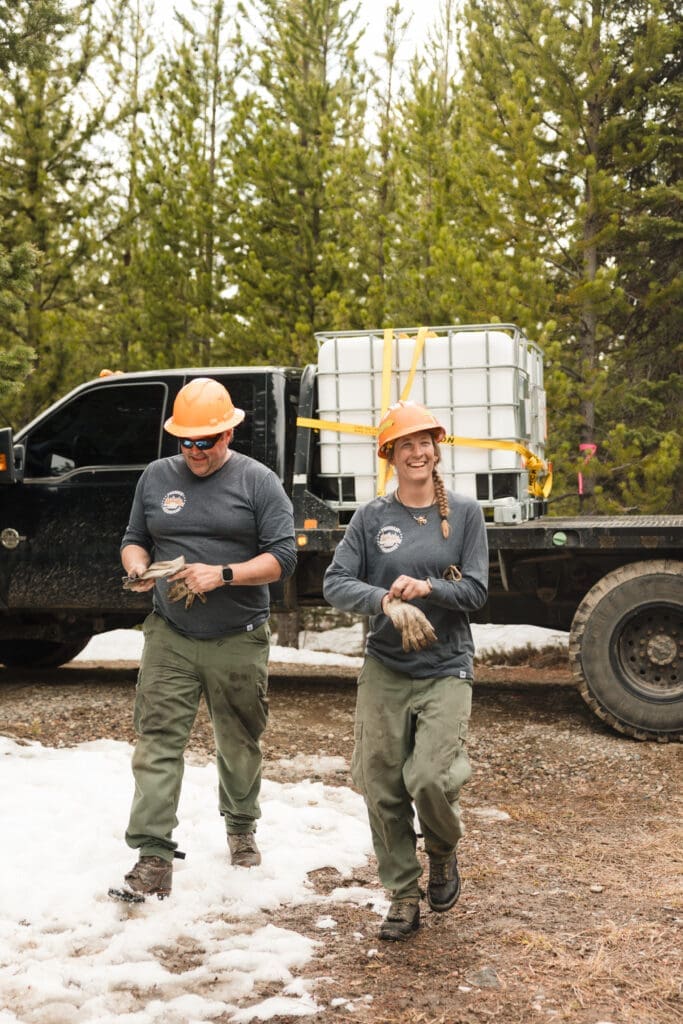
In the meantime, the work of the season is internal. It is paying attention without letting attention turn into dread. It is staying ready without overreacting. It is trusting that the work already done is doing its job, and being honest about the work that still needs to be planned. It is knowing the difference between the things you can control today and the things that belong to a longer arc.
Wildfire preparedness is not a state you arrive at. It is a relationship with a piece of land that runs across seasons. Some years it is hands on and active. Some years it is mostly watching. Both matter. The people who move through fire season most steadily are not the ones who avoid risk. They are the ones who have learned how to stand inside a season that asks a lot of them without losing their footing.
That kind of calm is built. It is not given. It comes from the decisions you made in March. It comes from the work you scheduled in June. It comes from the phone call you made in late July when the smoke first started showing up. It comes from the quiet practice of taking your land seriously in every season, not just the loud one.
Fire season is a teacher. It teaches us what we did well. It shows us what we missed. And it gives us a chance, every year, to make a better plan for the next one. That plan starts now.