Most people only know fire in its worst form. They see it when it is fast, loud, and entirely out of control. It is the version that moves uphill faster than it should, jumping roads and spotting ahead into the distance. This kind of fire makes decisions for everyone, whether they are ready or not. It is the version of wildfire that shapes how people think about risk, prevention, and what it means to protect a home. It is a force that feels like an ending.
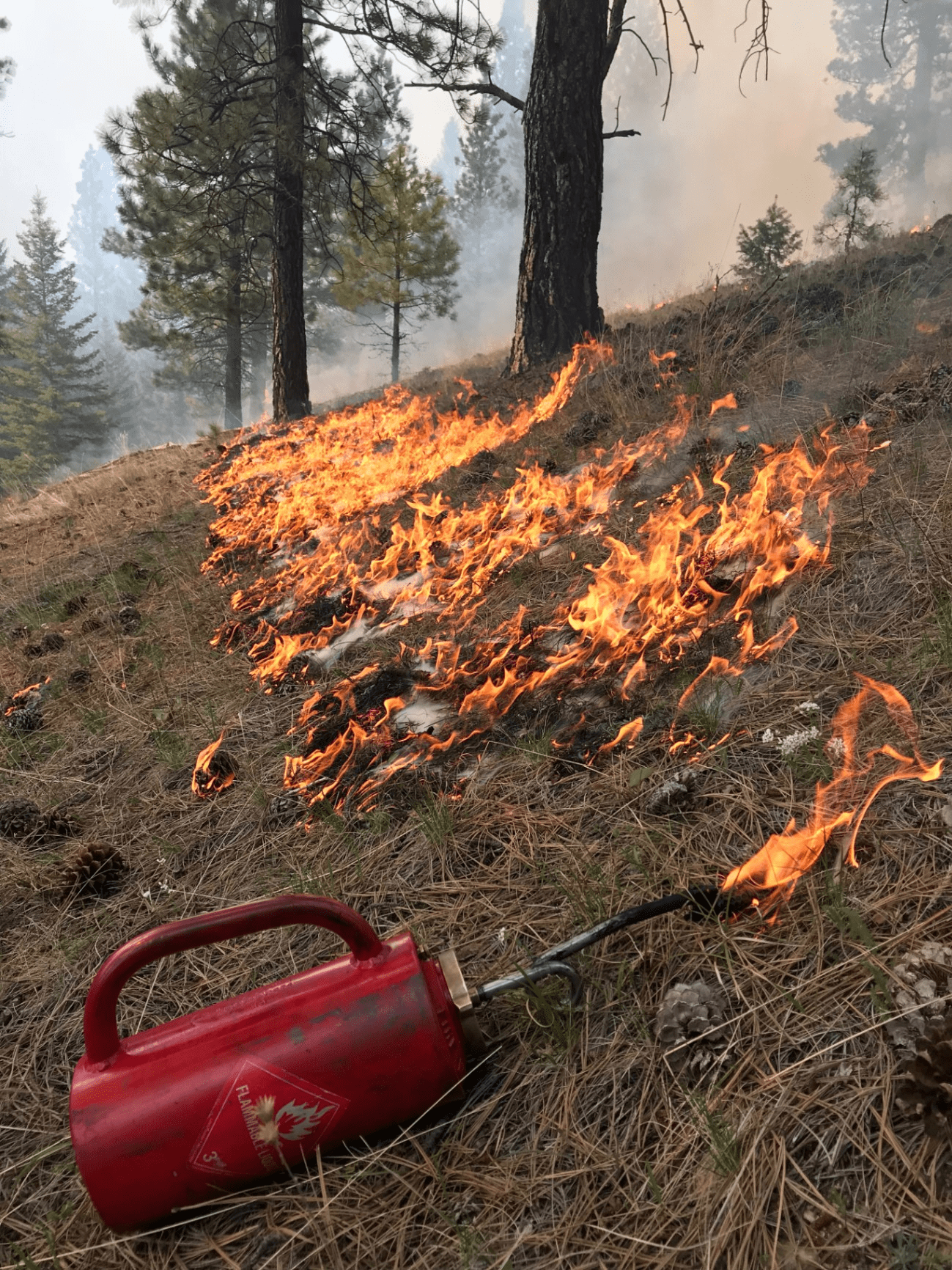
But it is not the only version. There is another kind of fire that moves differently. It stays low to the ground. It creeps instead of runs. It consumes what it is meant to consume and leaves the rest behind. This fire works through a landscape with intention, not urgency. You can stand near it and watch it move. It does not feel like chaos. It feels like process. This is what prescribed fire is meant to do.
The Historical Role of Fire in Our Landscapes
Fire has always been part of these landscapes. Long before roads, homes, or property lines existed, fire played a vital role in forest health and natural wildfire prevention. It cleared buildup, recycled nutrients, and created the conditions that allowed forests to remain resilient over time. The land has a memory of fire. It is a biological rhythm that has been practiced for thousands of years.
When that process is removed or delayed, the system begins to hold more than it was designed to carry. We see this often in our work across the mountain west. Forests that have gone decades without a natural fire cycle become overcrowded. The density of the trees increases beyond what the soil and water can support. This leads to a competition for resources that leaves the entire ecosystem vulnerable.
The Burden of Accumulated Fuel
When the natural cycle of fire is suppressed, fuels accumulate. The understory thickens with small trees and brush that would have normally been cleared out by low-intensity flames. Dead and down material builds faster than it can break down through natural decay. Over time, that buildup increases wildfire risk and changes how fire behaves when it finally returns.
It is important to understand that when a catastrophic wildfire happens, it is often not because fire itself has changed. It is because the conditions have changed. The forest floor has become a ladder of fuel. A fire that should have stayed on the ground now has the opportunity to climb into the canopy. This is where wildfire mitigation work becomes necessary. It is about addressing those conditions before the environment makes the decision for us. You can learn more about how we approach these challenges on our page about wildfire preparedness and mitigation.
Using Fire as a Tool for Management
Prescribed burning, pile burning, and other fuel reduction strategies are all ways of reintroducing fire under controlled conditions. Instead of reacting to a crisis, this work allows landowners to take a proactive role in long-term forest management. It is a transition from a state of fear to a state of preparation.
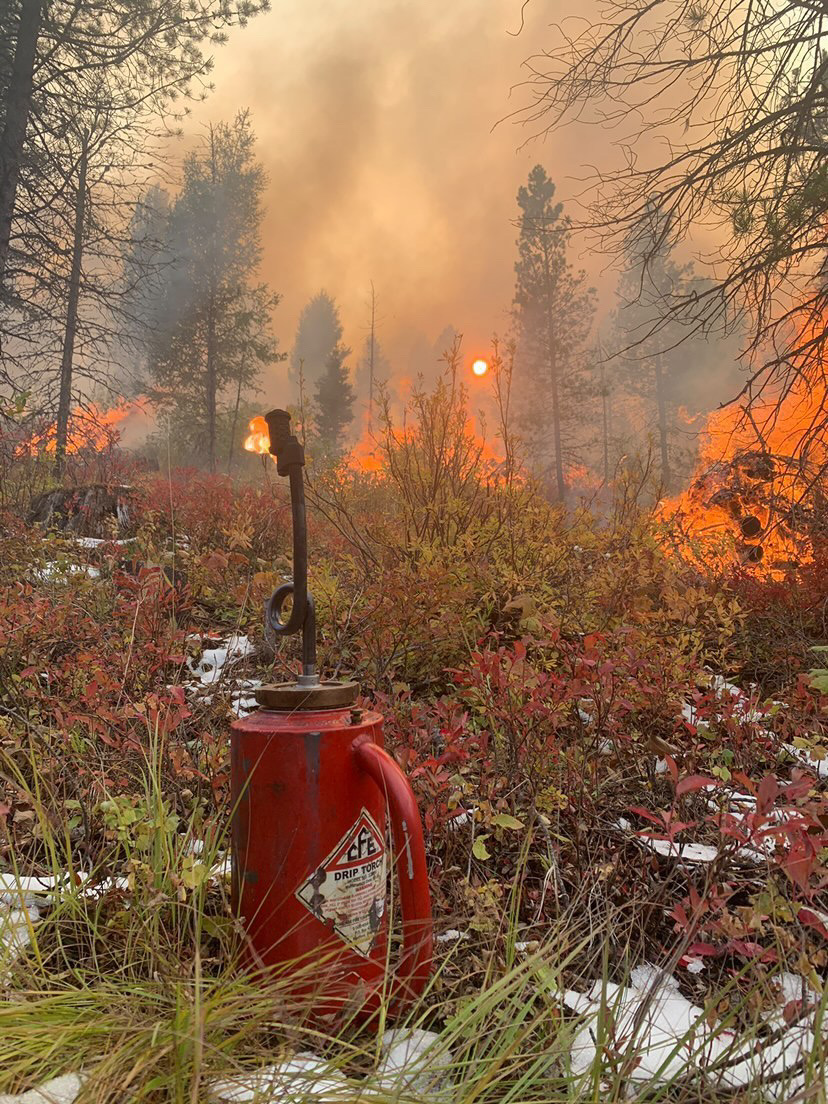
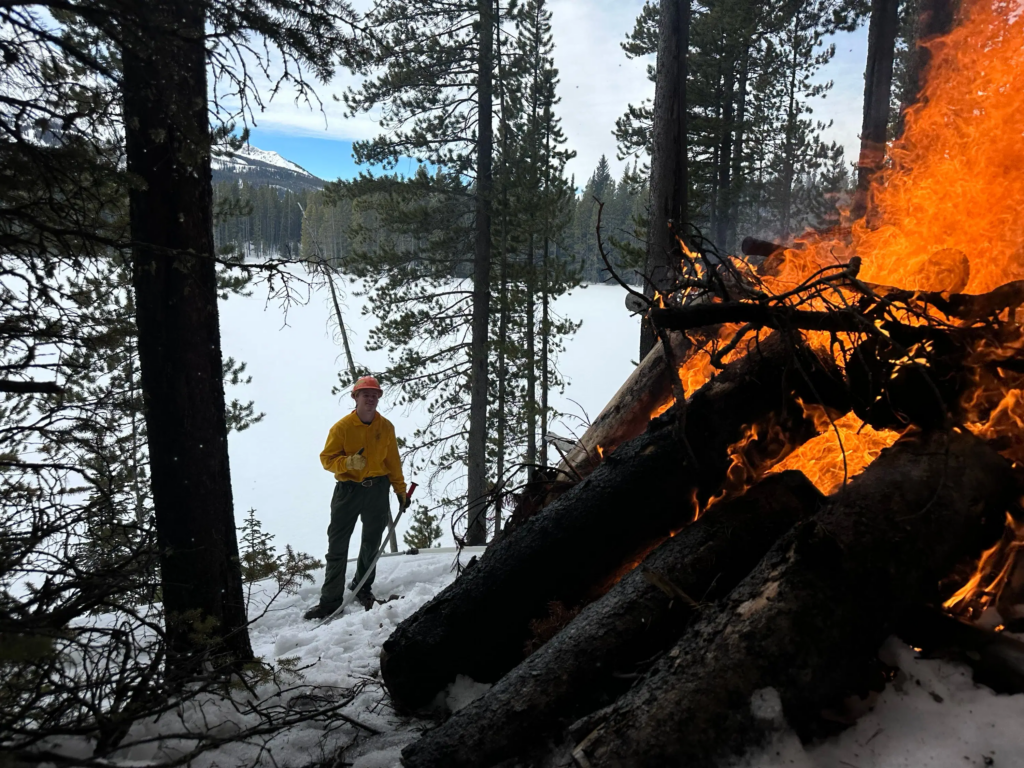
Right now, in places like Big Sky, this is exactly the kind of work we are doing. We are burning piles that were created intentionally as part of comprehensive wildfire mitigation plans. This is a technical and deeply focused operation. We are monitoring wind speeds, relative humidity, and temperature. We are managing flame length and watching how the smoke behaves. It requires making small, continuous decisions that keep the fire doing exactly what it is supposed to do.
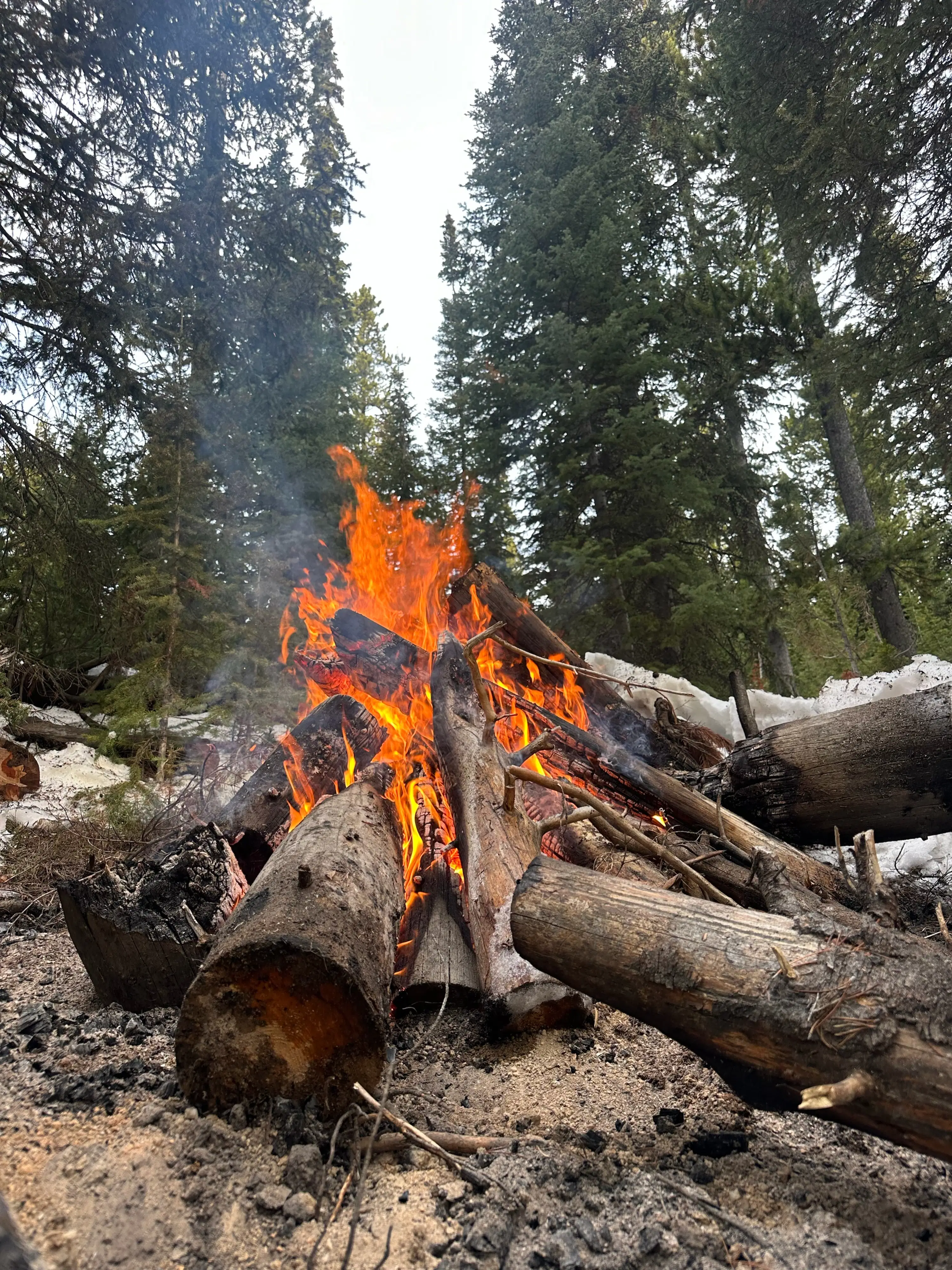
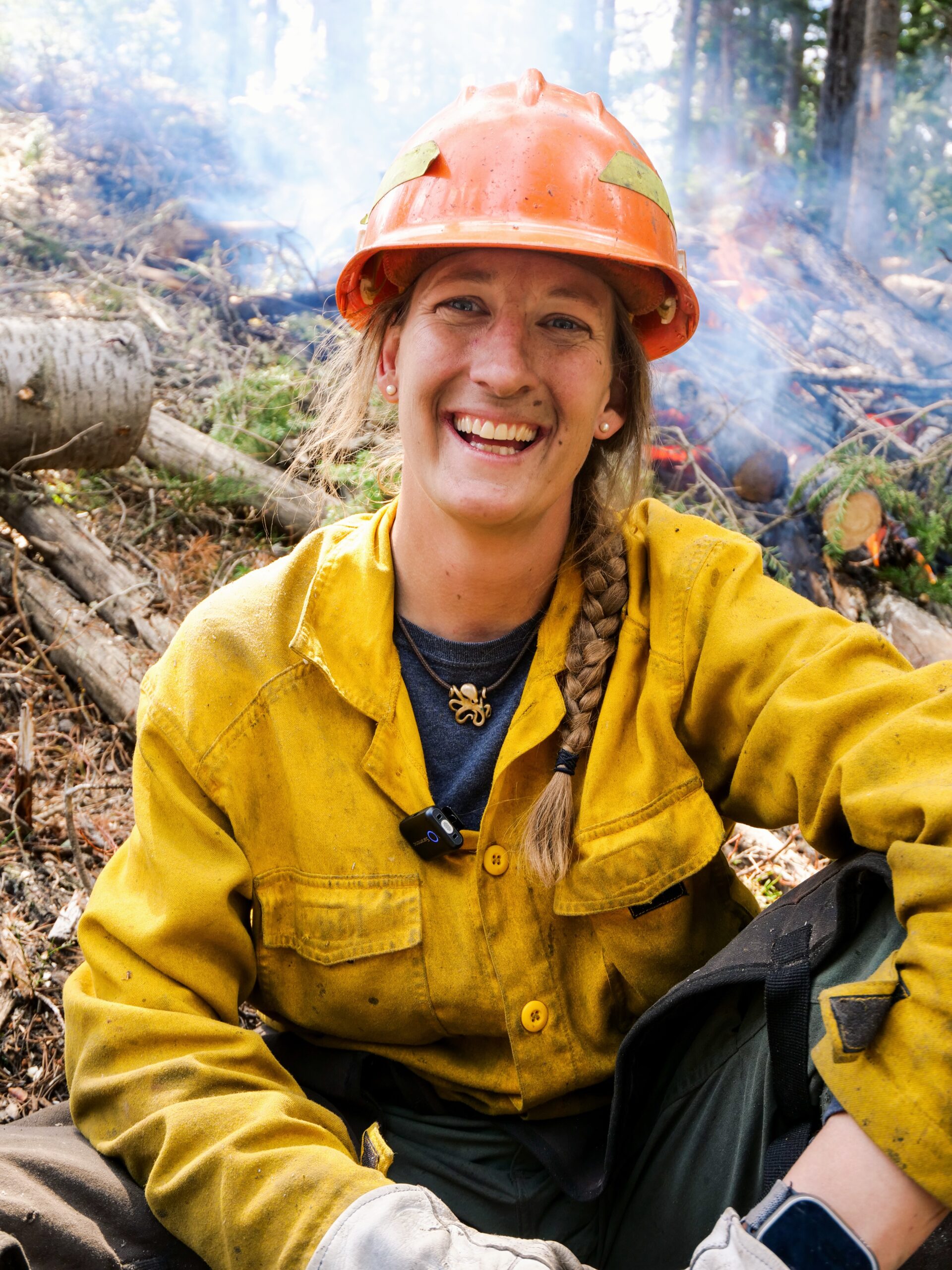
From the outside, it can look simple. You might see smoke drifting or a pile burning down as crews move steadily through a property. But this is not casual work. Every decision matters. We consider where material is placed, how it is ignited, and exactly when conditions are right to proceed. We also commit to how long a site is monitored after the active flames are gone. This is about holding the saw and the responsibility that comes with it.
The Quiet Benefits of Controlled Burns
This is not about starting fire. It is about using fire as a tool. When done well, prescribed burning reduces future wildfire intensity. It supports forest restoration and plays a direct role in protecting homes and property. These are some of the real, on-the-ground benefits of controlled burns that often go unseen by the general public.
It also does something quieter. It restores a process the land already understands. Fire is a Great Recycler. It breaks down woody material into ash, which provides a sudden surge of nutrients back into the soil. It clears the duff layer so that seeds can reach the mineral soil and begin to grow. It is a reset for the biological clock of the forest.
After a burn, a property often feels different. It feels more open and stable. It becomes less reactive to the threats of the summer season. Light reaches the forest floor where it hasn’t been in years. New growth has room to come in without competing with decades of buildup. It does not look like destruction. It looks like a new beginning.
Creating Options for the Future
Fire will always be part of this landscape. We live in an environment that is fire-adapted and fire-dependent. The question is not whether fire shows up, but how it shows up. Unplanned wildfire forces a response. It is reactive, dangerous, and often devastating. Intentional fire allows for preparation. It is proactive, calculated, and beneficial.
One takes options away. The other creates them. That difference is at the core of wildfire risk reduction. By choosing to manage fuels now, we are giving the forest and the community a better chance of surviving the fires of the future. We are ensuring that when fire returns, it has the opportunity to do exactly what it should.
Responsibility and the Path Forward
Homeowners should view wildfire mitigation as an ongoing relationship with their land. It is not a one-time event but a commitment to stewardship. It is essential to understand that the work we do today impacts the safety of the entire community for years to come. When we manage the fuels on one property, we are reducing the overall threat to the neighborhood.
It is vital to trust the expertise of those who work with these systems daily. Understanding the “why” behind pile burning or thinning projects helps bridge the gap between seeing fire as an enemy and seeing it as a partner in forest health. This educational component is a significant part of our mission at Firebreak Management. We want landowners to feel empowered and informed about the choices they make for their property.
As we look toward the future, technological advancements and better mapping will continue to improve how we plan these burns. But at the end of the day, it still comes down to people on the ground with a deep understanding of fire behavior and ecological needs. It is a blend of science and tradition. It is about being a trusted guide for the land.
Fire is a tool of immense power. When it is respected and used with intention, it is one of the most effective ways to protect the places we love. It is the reason this work matters. It is how we ensure that the beauty of our forests remains for the next generation, resilient and ready for whatever comes next.
If you are interested in seeing more of what goes on during these projects, you can explore our behind the work section. There, we share the reality of the field and the philosophy that drives every cut and every flame. We believe in a future where we live in harmony with fire, rather than in fear of it. That future starts with the work we do today.