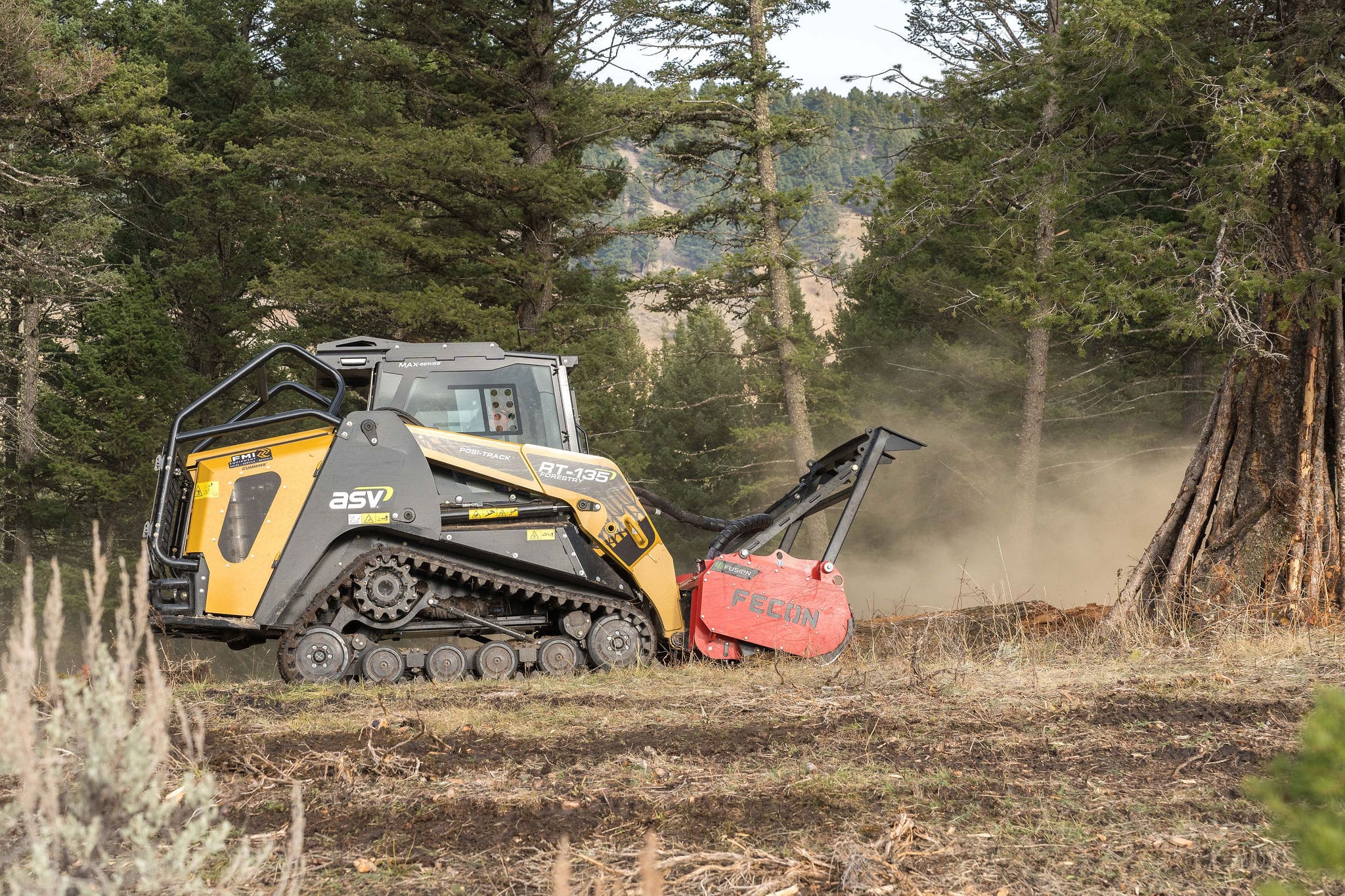
This property encompasses a large, diverse landscape with multiple structures, extensive access, and active waterways, requiring an initial phase of wildfire mitigation focused on safety, access, and long-term stewardship. The land includes an existing residence, a new home under construction, and an extensive access network supporting year round use.
Due to its location, scale, and wildfire exposure, the owner was unable to obtain traditional wildfire insurance coverage. The priority for this phase of work was therefore safety and reliability: defensible space around structures, dependable ingress and egress, and reduction of hazardous fuels in areas critical to access and response.
The project unfolded alongside active home construction, with large crews and daily subcontractor traffic moving through the site. Forestry work needed to integrate seamlessly with construction operations while maintaining safety, access, and momentum for everyone involved.
What was done
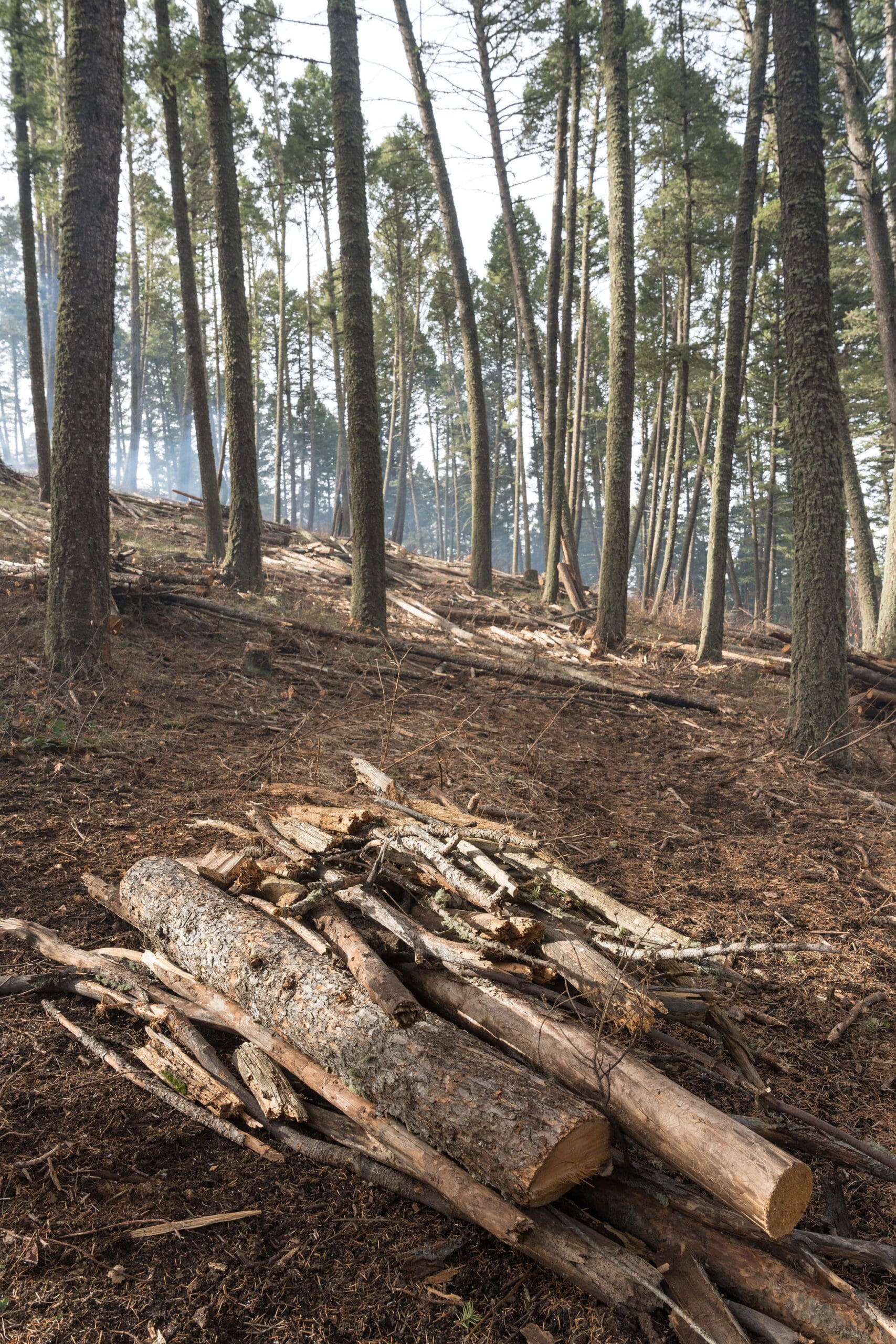
Work focused on structure protection, access improvement, and targeted fuels reduction rather than broad forest conversion. Defensible space was established around both the existing home and the new build. The immediate backyard area was cleared and shaped for safety and future landscaping, while surrounding forest was treated selectively to retain function, privacy, and visual continuity.
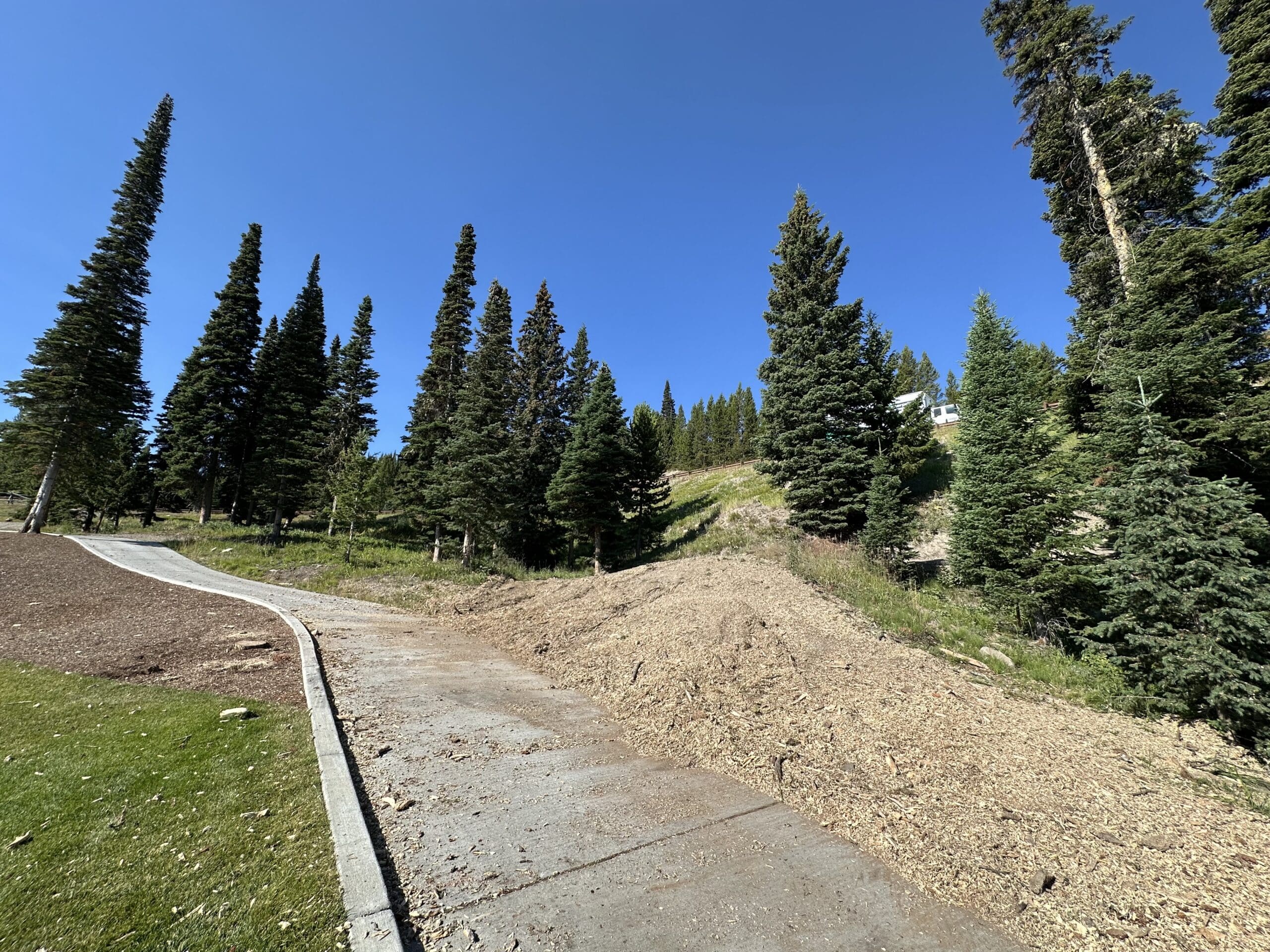
Ingress and egress were a central focus. The primary driveway extends over a mile through varied terrain and forest types. Hazard trees were removed, access corridors widened, and sightlines improved to support emergency response, construction traffic, and long term property maintenance.
Forestry operations were coordinated intentionally around the construction schedule. Rather than competing for space, the work week was adjusted to align with builder operations. Forestry work occurred primarily Thursday through Sunday, minimizing overlap and allowing both teams to maintain productivity. Weekly coordination with the owner and construction foreman ensured clear sequencing and uninterrupted progress.
Trees posing risk to structures, roadways, and utilities were addressed, including arborist work near buildings. Creek and stream corridors required careful handling. Trees that posed a risk to flow, access, or infrastructure were removed, while existing channel structure and habitat were preserved. Material was cleaned out thoroughly to maintain flow and function without overworking the system.
Material was managed on site with long term use in mind. Selected trees removed during defensible space work were set aside for future bridge and entryway construction, allowing the owner to repurpose material from his own land into permanent infrastructure. Firewood was distributed locally to manage biomass and keep staging areas clean and controlled throughout the project.Work progressed in phases across multiple seasons. As conditions changed, decisions were made deliberately rather than reactively. When weather or ground conditions risked damaging the land, work was slowed or paused. The emphasis remained on doing the work well rather than doing it quickly.