There is a version of success that looks very clean from the outside.
It wears the right clothes. It speaks in polished language. It keeps its hands mostly clean and its schedule mostly predictable. It knows how to sit still indoors for long periods of time.
That version of success has never really fit me.
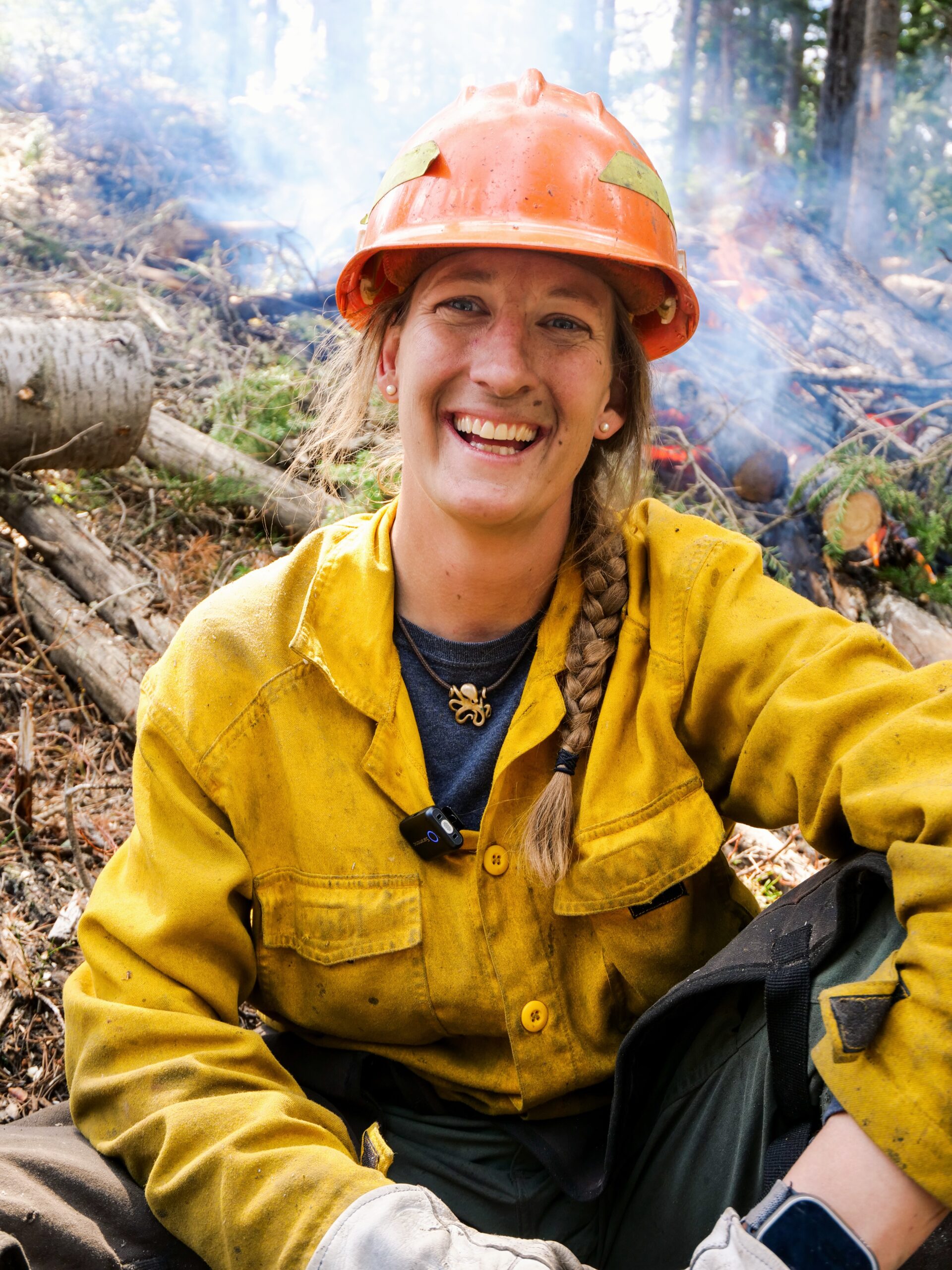
I love work that leaves dirt under my fingernails and fatigue in my legs. I love moving through weather instead of avoiding it. I love the feeling of having used my body for something real by the end of the day.
Some people might call that being a dirtbag. I take it as a compliment.
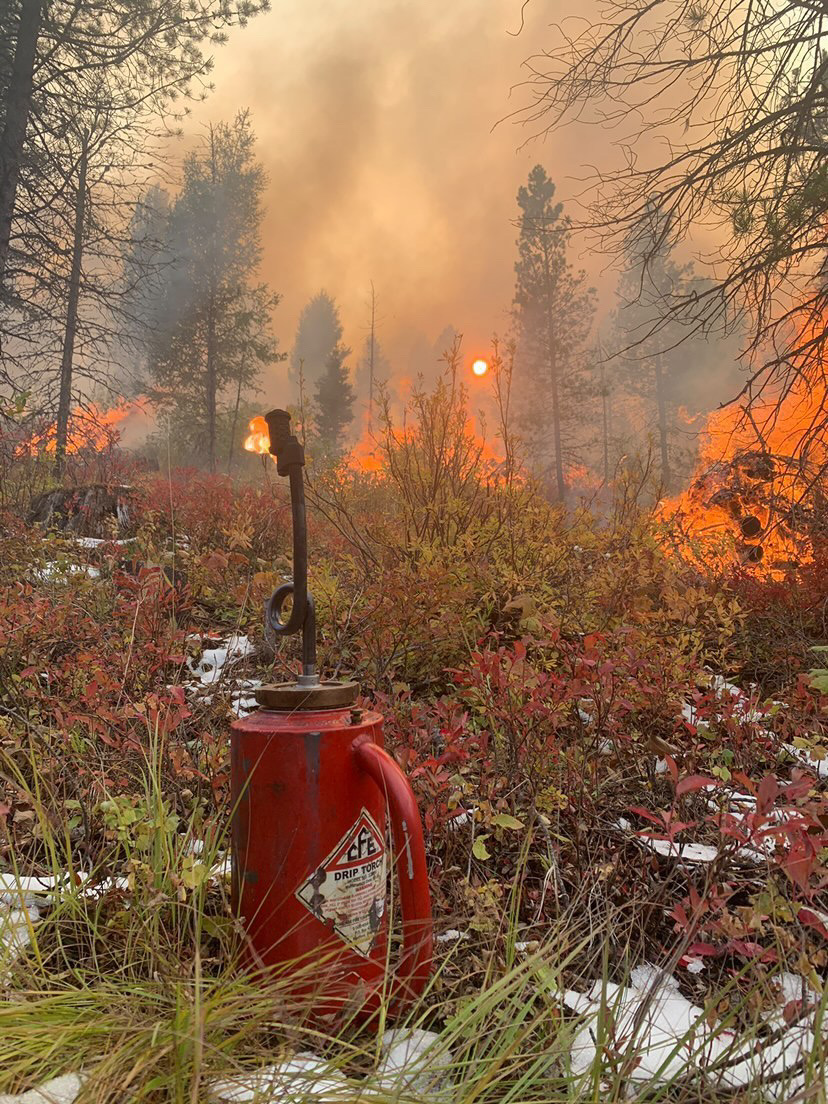
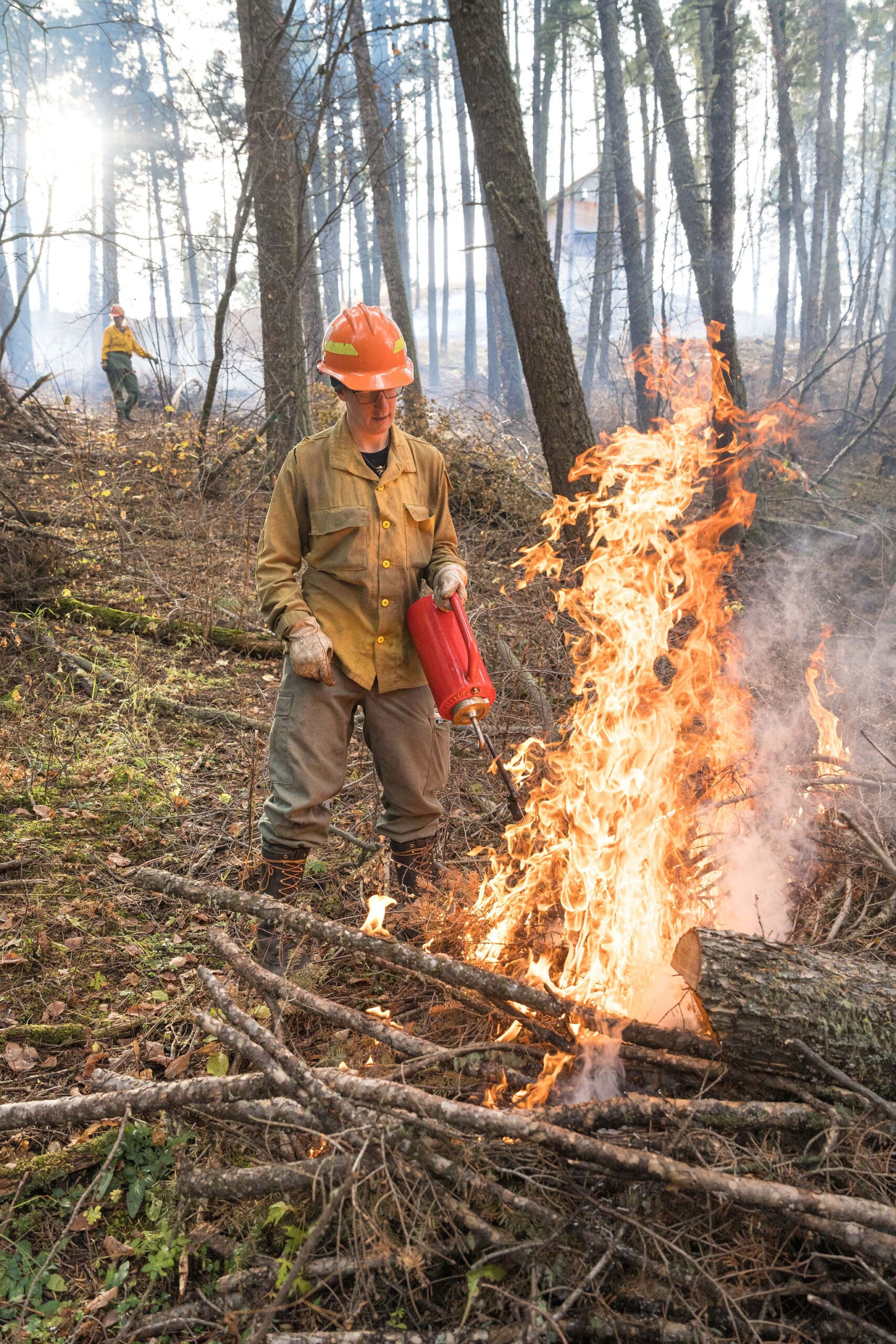
What most people miss is that being a dirtbag, at least the way I mean it, is not about carelessness. It is about intimacy with consequence. When you spend enough time outside, using your body and paying attention, you learn very quickly that shortcuts cost more in the long run. Weather teaches that. Terrain teaches that. Fire teaches that.
That kind of intimacy creates discipline, not recklessness. It sharpens judgment. It rewards preparation. It makes you think three steps ahead, because your comfort and safety depend on it.
I grew up loving sports and physical challenge. Skiing. Hockey. Being outside until the light was gone and then staying a little longer anyway. That instinct never left. It followed me into fire. Into ski patrol. Into EMS. Into forestry. Into business ownership in a way that still surprises people.
There is something grounding about work that requires your full body and attention. When you are carrying a saw, reading terrain, watching weather shift, or moving through trees, there is no room for performative thinking. You are either present or you are not.
That presence is a kind of joy.
It is the joy of knowing where you are in space. The joy of understanding your limits and brushing up against them anyway. The joy of being tired in a clean way, earned rather than drained.
I think a lot of us forget how regulating physical work can be. How much clarity comes from moving through fear, exertion, and uncertainty with intention. Fire taught me that. So did EMS. So does forestry.
These jobs strip things down to what matters. Can you show up. Can you adapt. Can you keep going without cutting corners. Can you take care of the people and the place around you while you do.
I still love poetry for the same reason I love fire and dirt and sweat. Poetry pays attention. It notices rhythm, contrast, restraint. It asks you to slow down just enough to see what is actually happening. The woods demand the same thing.
There is poetry in a stand of trees that has room to breathe. In light hitting the forest floor where it has not in years. In a slope that feels calmer after work has been done thoughtfully.
None of that comes from being removed from the work.
It comes from being in it.
Running a company does not mean I want distance from the field. It means I want to stay connected to the reality of the work even as the responsibilities grow. I never want to lead from a place that forgets what it feels like to be cold, tired, focused, and deeply alive.
Many of the people I work with understand this instinctively. They lived it once, even if only for a season. They recognize that kind of groundedness when they see it. It is part of why they trust someone like me to care for land that matters deeply to them.
Joy does not always look like ease.
Sometimes it looks like effort chosen willingly. Like commitment. Like a body that knows what it is capable of and a mind that trusts it.
Being a dirtbag taught me how to listen to land, to people, and to myself. It taught me that doing hard things does not have to be miserable. It can be meaningful. It can even be joyful.
That joy is not separate from the work we do at Firebreak. It is part of it.
Because caring for land, like caring for people, asks you to show up fully.And I still wouldn’t have it any other way.