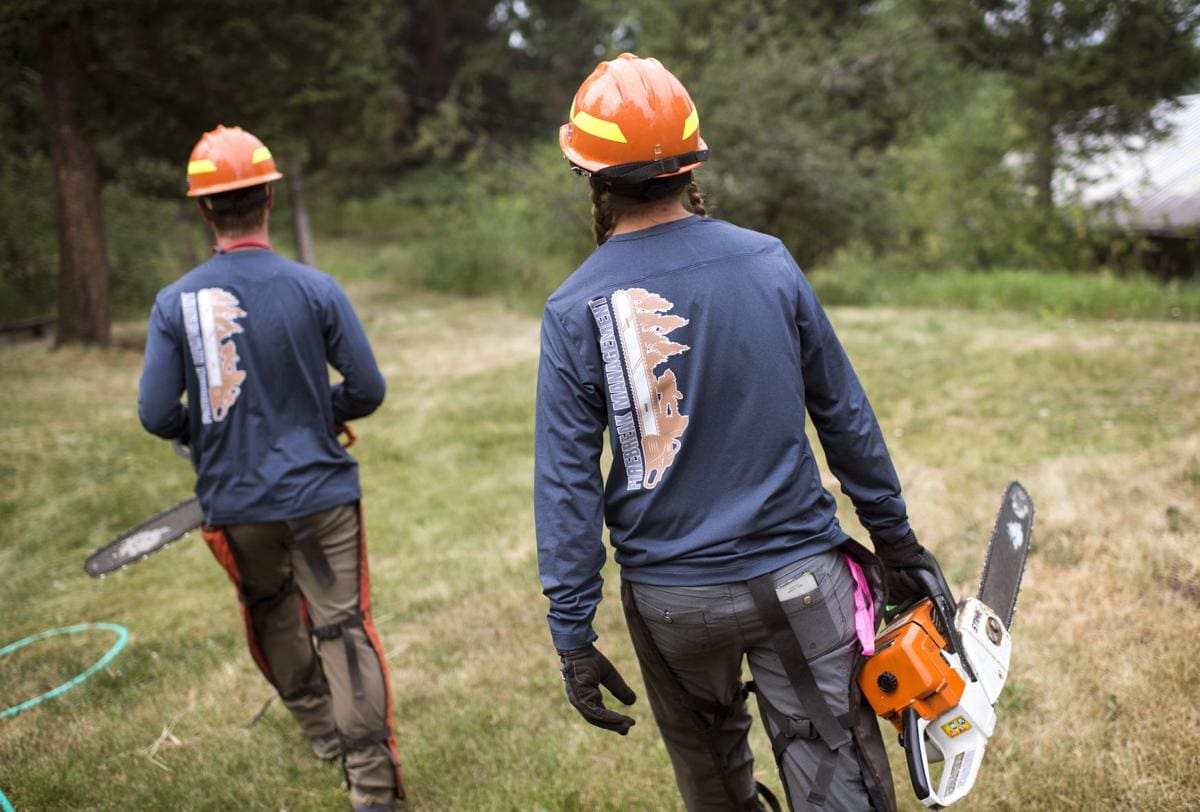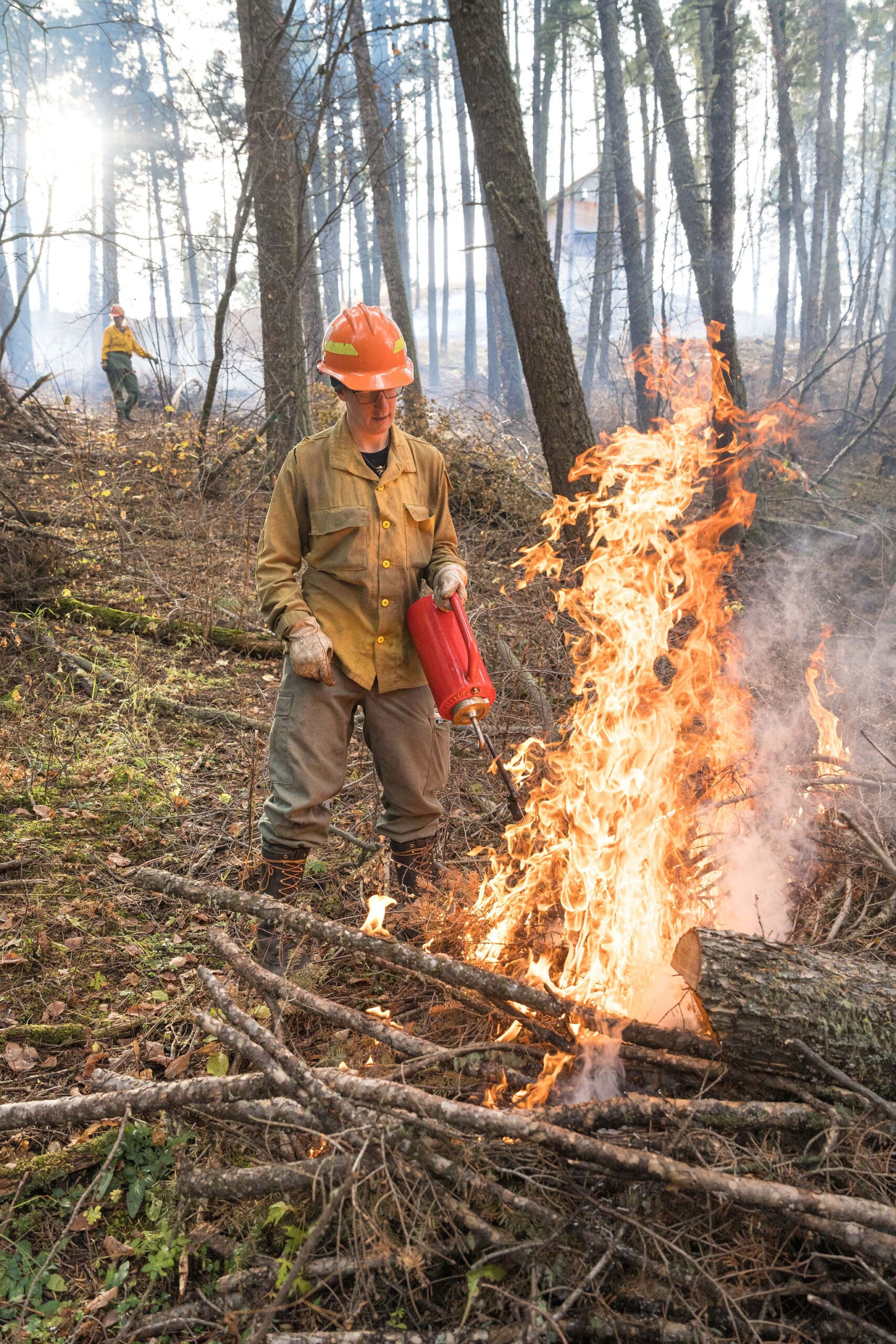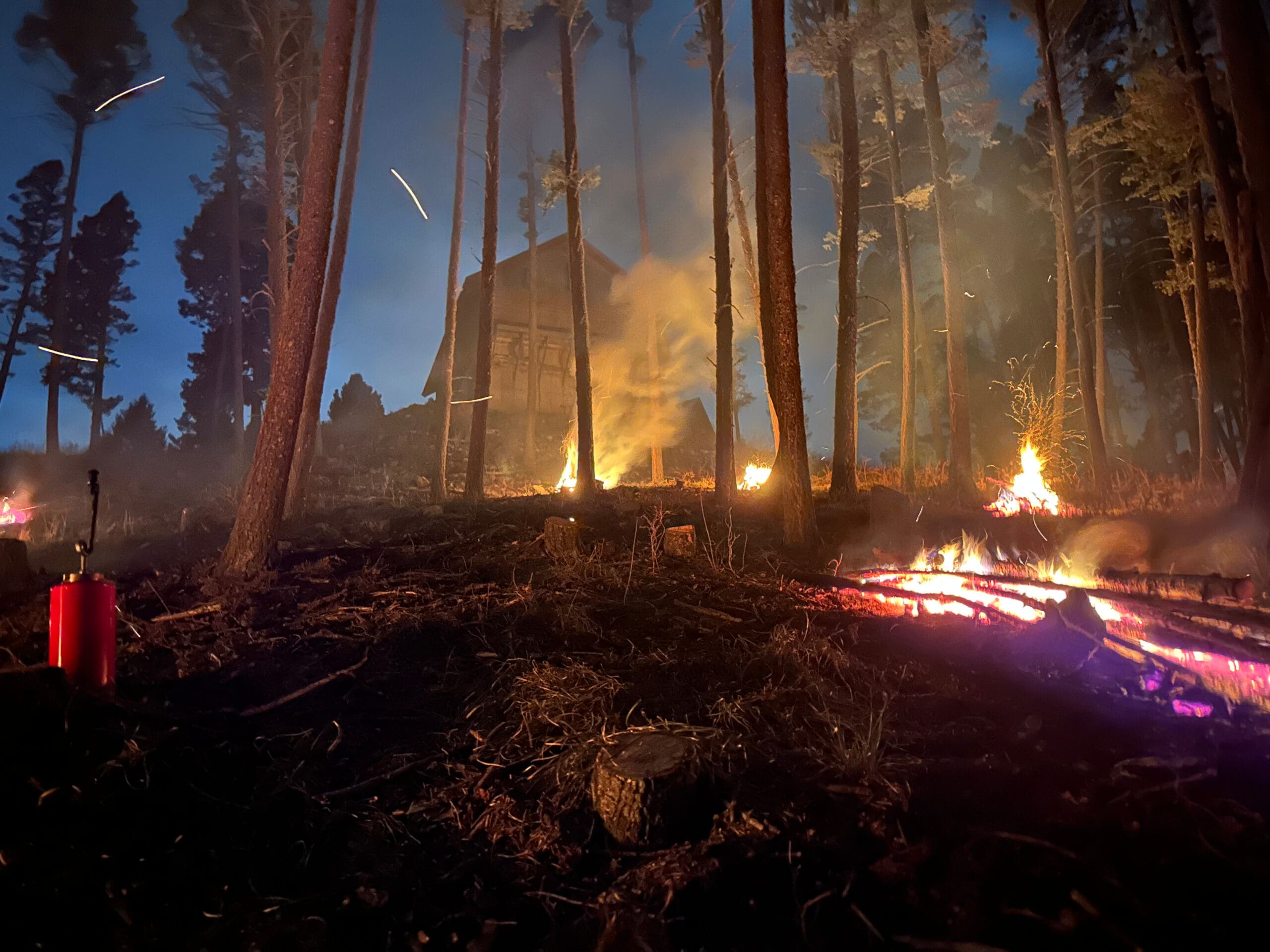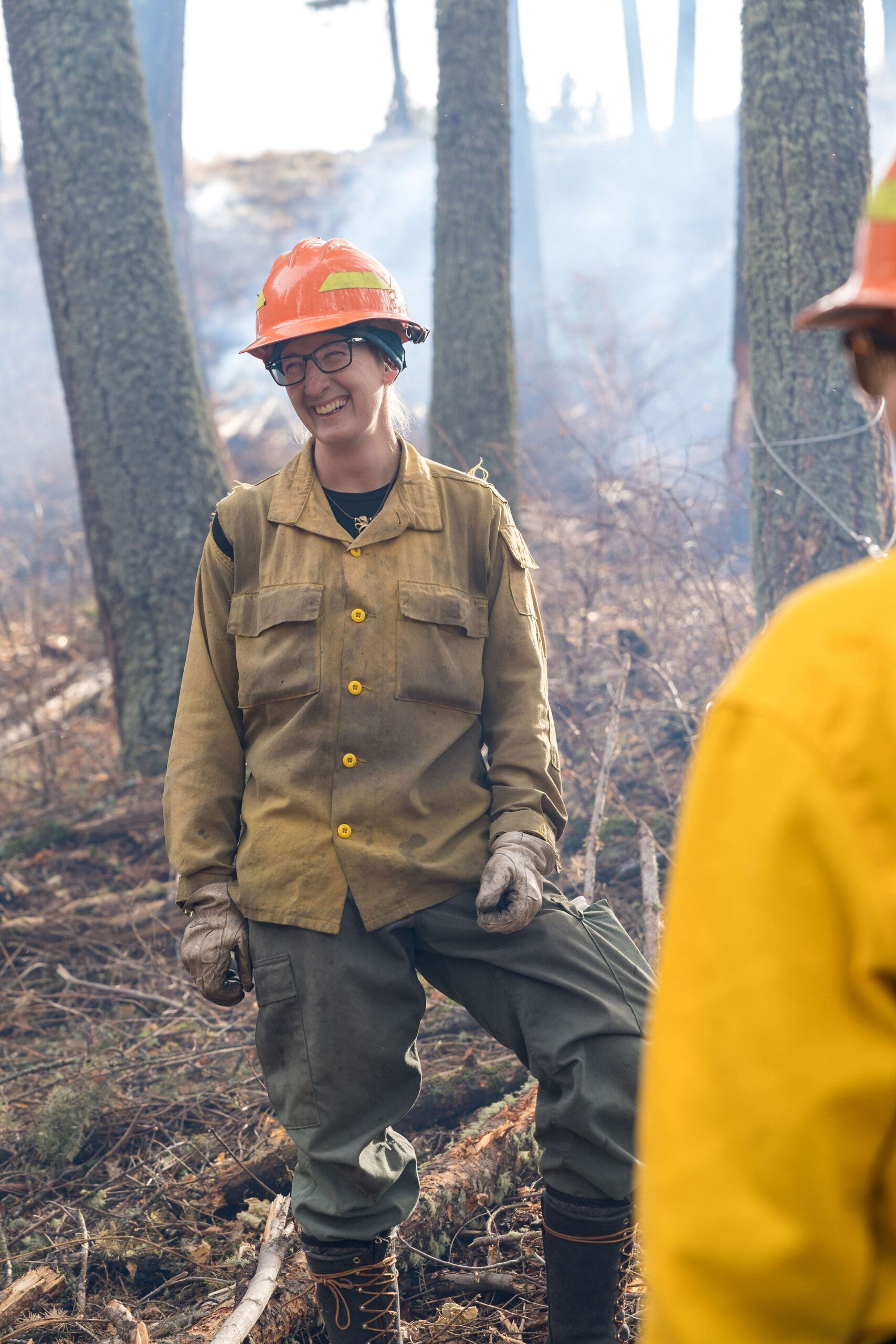
There is a moment that comes for a lot of wildland firefighters. It does not arrive on the fireline. It does not come with drama or sirens or smoke columns rising into the sky.
It comes later. Quietly.
It comes when you are standing on a piece of land years afterward, looking at a home tucked into timber, or a slope choked with ladder fuels, or a driveway that narrows into trees with nowhere for engines to turn around. And your body remembers before your brain does.
Fire teaches you things that stay in your nervous system. It teaches you how fast conditions change. How small decisions stack into big consequences. How much risk gets normalized because it has to. How often firefighters are asked to hold the line for choices they did not make.
I loved being a wildland firefighter. I loved the people. I loved the clarity of the work. I loved the physical demand, the humor, the competence, the way a crew becomes a family under pressure. I still love firefighters deeply. I always will.
But loving something does not mean you ignore its cost.
For a long time, the story we tell about wildland fire has been one of heroics. Strong men and women. Hard work. Long shifts. Grit. There is truth in that. And also, that story can flatten everything else. It can hide how preventable so much of the danger actually is. It can make it easier for responsibility to quietly shift downhill until it lands squarely on the backs of crews.
When I left the fireline, I did not leave fire behind.
What changed was where I could apply what I knew.
I had seen homes built without regard for access, spacing, or defensible space. I had watched fires behave exactly the way the books say they will, while everyone acted surprised. I had stood on ridges looking down at subdivisions that were never designed with fire in mind and felt that familiar tightening in my chest.
At some point, the question stopped being how do we fight harder and became how do we ask more upstream.
Firebreak Management exists because of that question.
This work is not about fear. It is not about selling mitigation as a product or a promise. It is about responsibility. Shared responsibility. It is about understanding that living in beautiful places comes with obligations, not just views.
Defensible space is not an aesthetic preference. It is not about clearing everything. It is about creating conditions where firefighters have options. Where engines can access a property. Where fire behavior is moderated instead of explosive. Where crews are not forced into high-risk decisions because there was no other choice left.
There is an ache that comes with knowing how often firefighters are sent in to protect homes that were never prepared to be defended. That ache does not come from judgment. It comes from love.
Firefighters will show up. They always do. The question is whether we have done our part before they arrive.
The work we do now lives in that space between prevention and response. It is quieter than the fireline. It is slower. It requires restraint, planning, and long-term thinking. It requires saying no to shortcuts and yes to nuance. It requires understanding forests as living systems, not fuel loads to be erased.
I care deeply about land. I care deeply about firefighters. Those two things are not separate.
Every project we touch is an opportunity to reduce pressure on crews we may never meet. To make their jobs safer in ways they will never see. To let them leave the line and go home intact to the people who love them.
That is the work that stayed with me after the fire.
And that is why Firebreak exists.