Steep slope hand thinning with wildlife led design
Private residence near Bozeman
The challenge
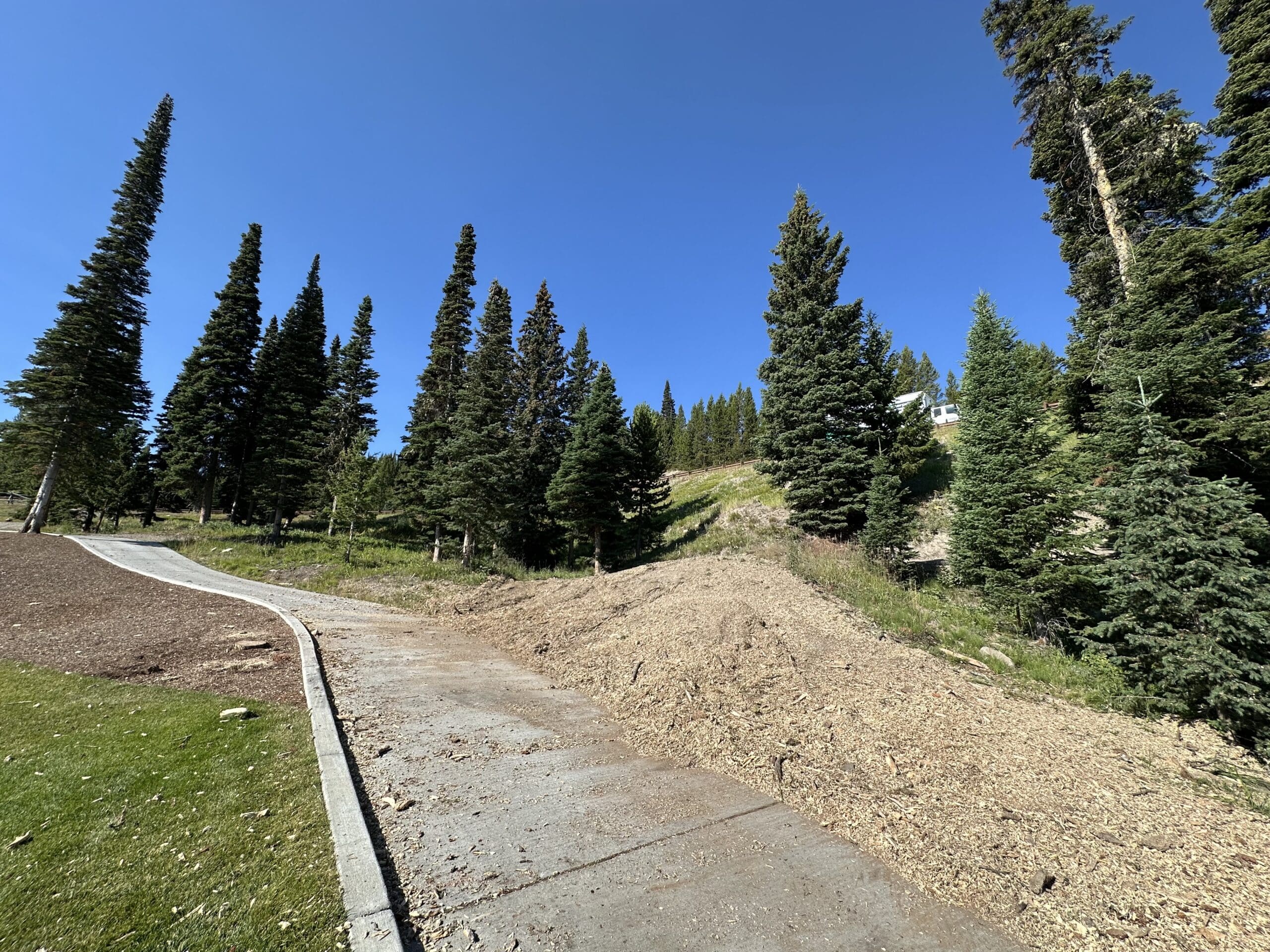
The home and barn sit at the top of a steep slope along Jackson Creek Road, requiring fuel reduction and structure protection without mechanical disturbance or loss of habitat. The home had some existing spacing from a previous owner, but it did not meet fuels reduction standards. The barn, a high value shop and storage structure, had no defensible spacing, with trees tight to every side.
The landowners wanted fuels reduction and improved forest health without mechanical equipment on the slope. Preserving soil stability, forest character, and long term site integrity were central concerns. Wildlife considerations were also significant, including an area identified by an owl habitat specialist and a downslope streamside management zone supporting consistent wildlife use.
Although the project was funded through a county fuels reduction grant, the treatment needed to balance structure protection, habitat retention, recreation potential, and viewshed goals rather than follow a uniform spacing prescription.
What was done
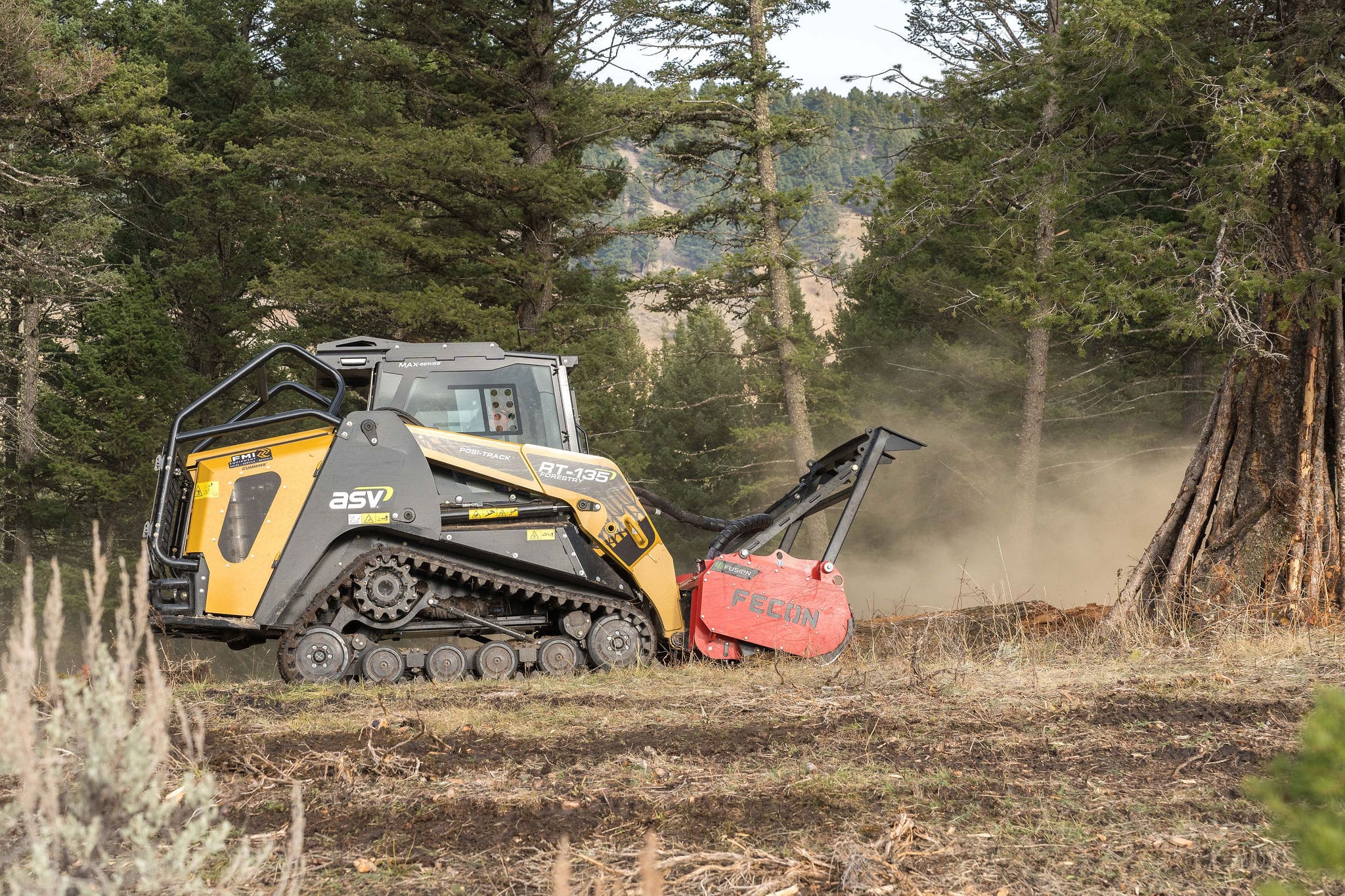
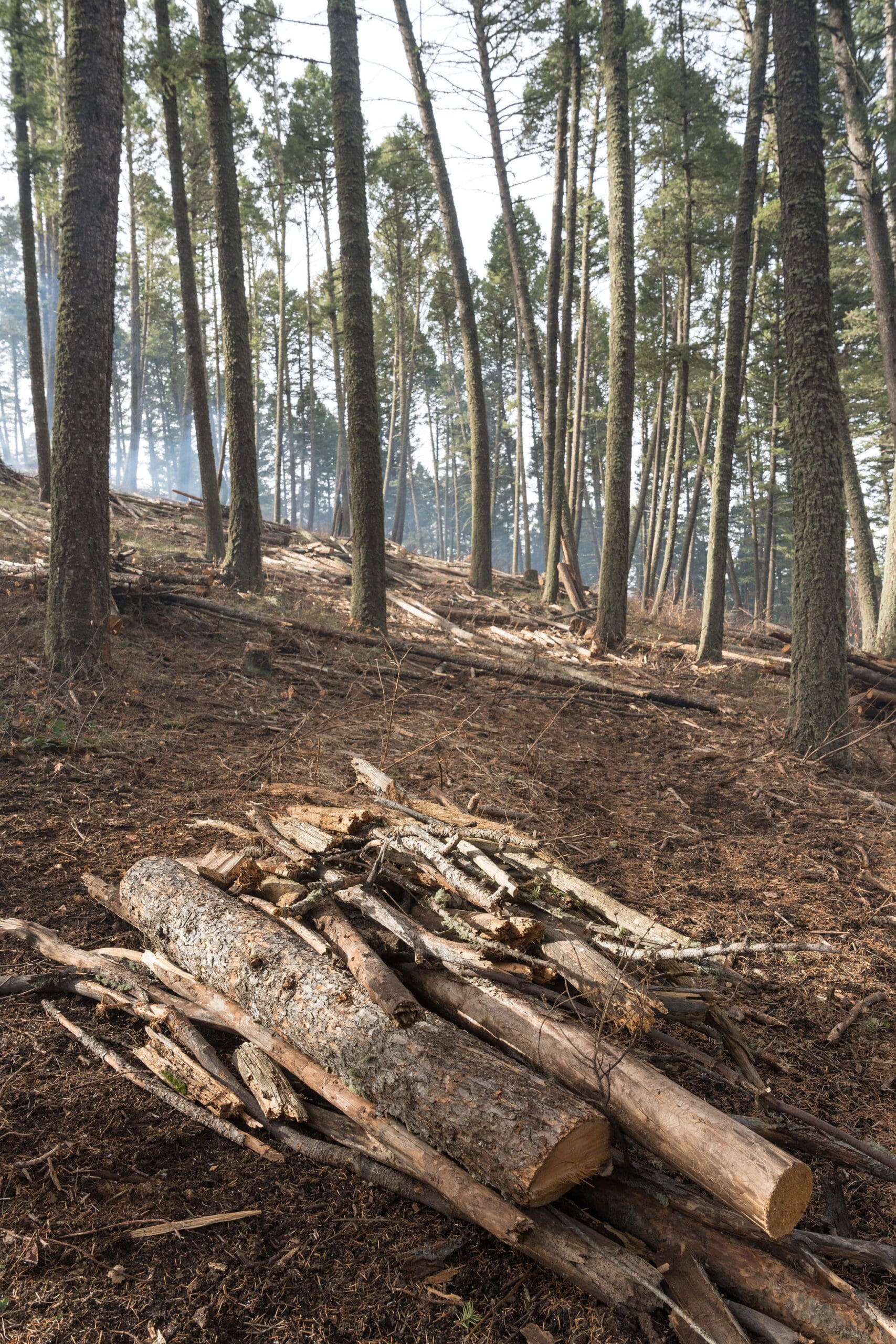
All thinning was completed by hand. Trees were selectively felled, limbed, and skidded out where appropriate, with no mechanical thinning equipment used. Work progressed in phases over multiple seasons, beginning in early spring while snow was still on the ground, allowing cutting and pile burning to occur concurrently.
Spacing was increased at the ridge top around the home to improve fire behavior and defensibility. The most significant expansion of defensible space occurred around the barn, where clearance was extended further than originally planned due to the lack of spacing and the value of the structure and contents.
Beyond the structures, the forest transitions into a deliberate mosaic. Dense pockets were retained where wildlife value was highest, with buffers maintained around sensitive habitat areas. Downslope, the streamside management zone was largely left intact to preserve hydrology, cover, and movement corridors.
The forest was managed to remain usable and adaptable. Maintaining continuity and variation allows for future recreation and trail development without additional forest removal or rework. Selective thinning also addressed viewshed goals, with targeted pockets opened to improve sightlines toward the Bridger Range while maintaining privacy and visual depth from the road and neighboring properties.
Approximately one thousand stems were removed across the property. Blowdown and accumulated forest floor debris were cleaned up throughout the treatment area. Merchantable material was sent to the mill, usable wood was distributed locally for firewood, and remaining slash was piled and burned over multiple burn windows.
As winter conditions set in, work was intentionally slowed and phased rather than rushed. While additional progress could have been made, completing work under marginal conditions would have compromised slope stability and forest integrity. The project was allowed to take the time it required.